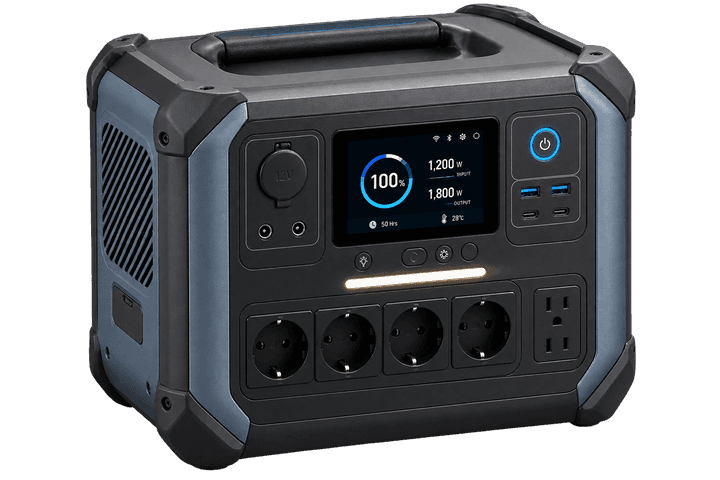
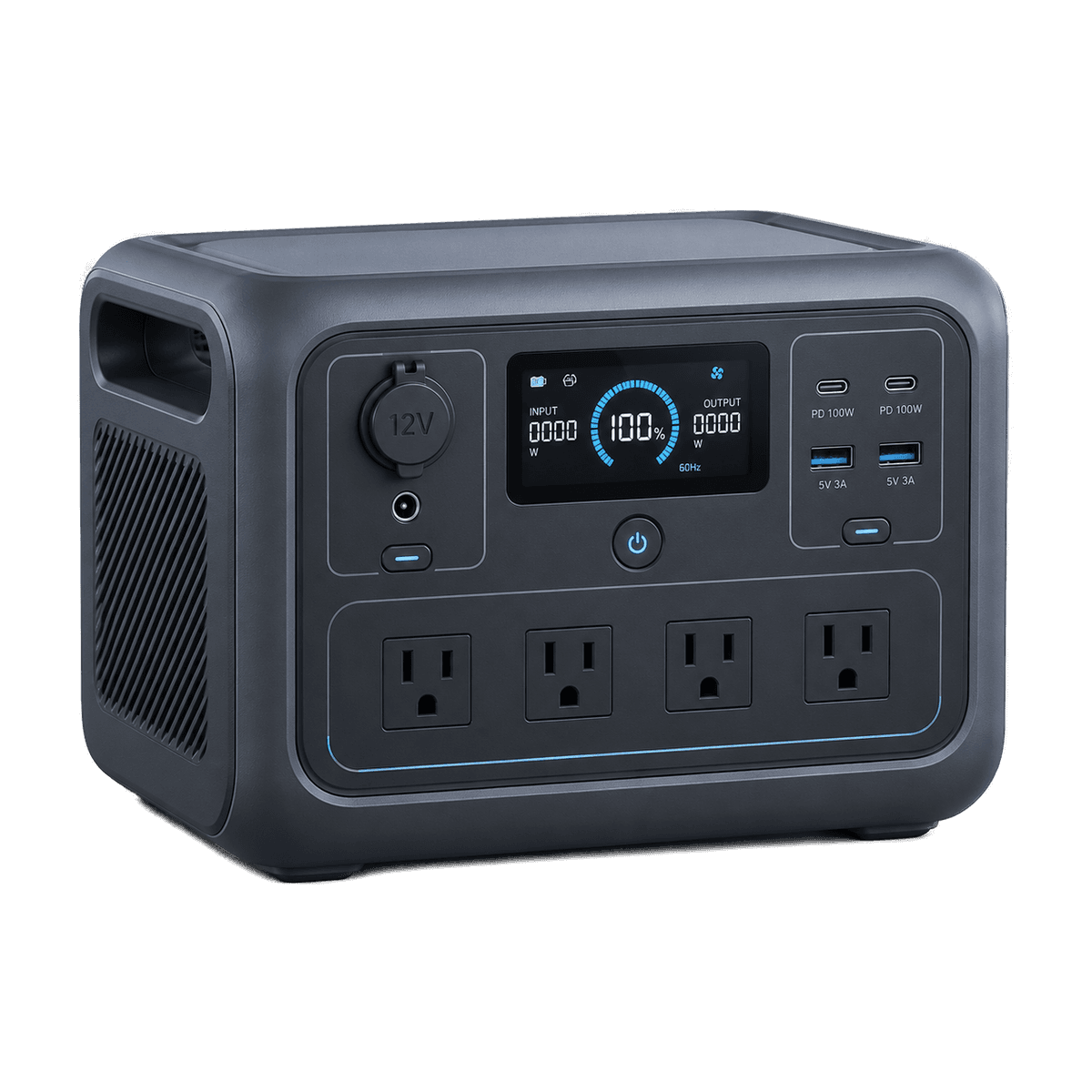
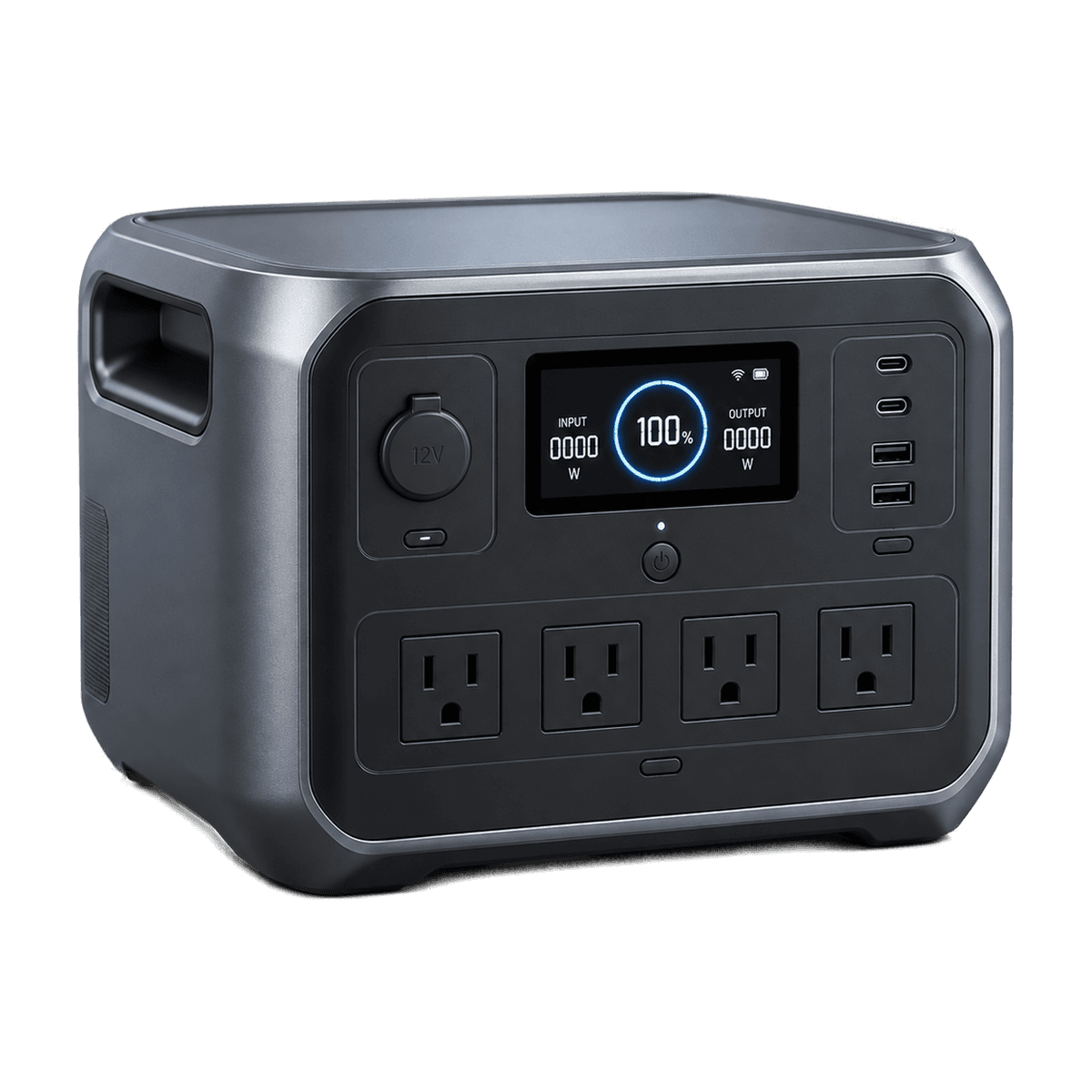
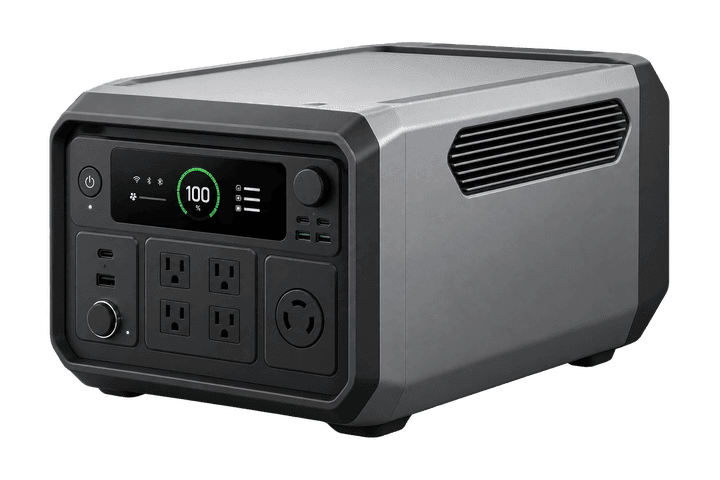
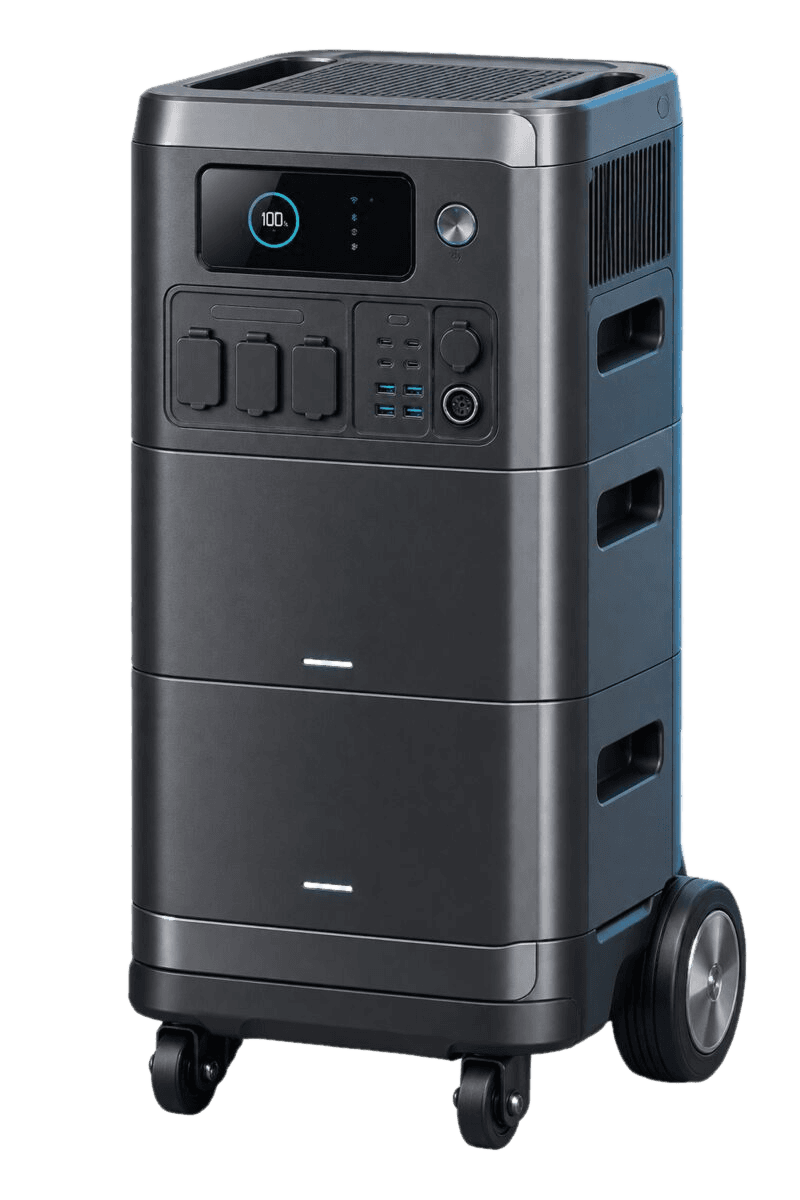
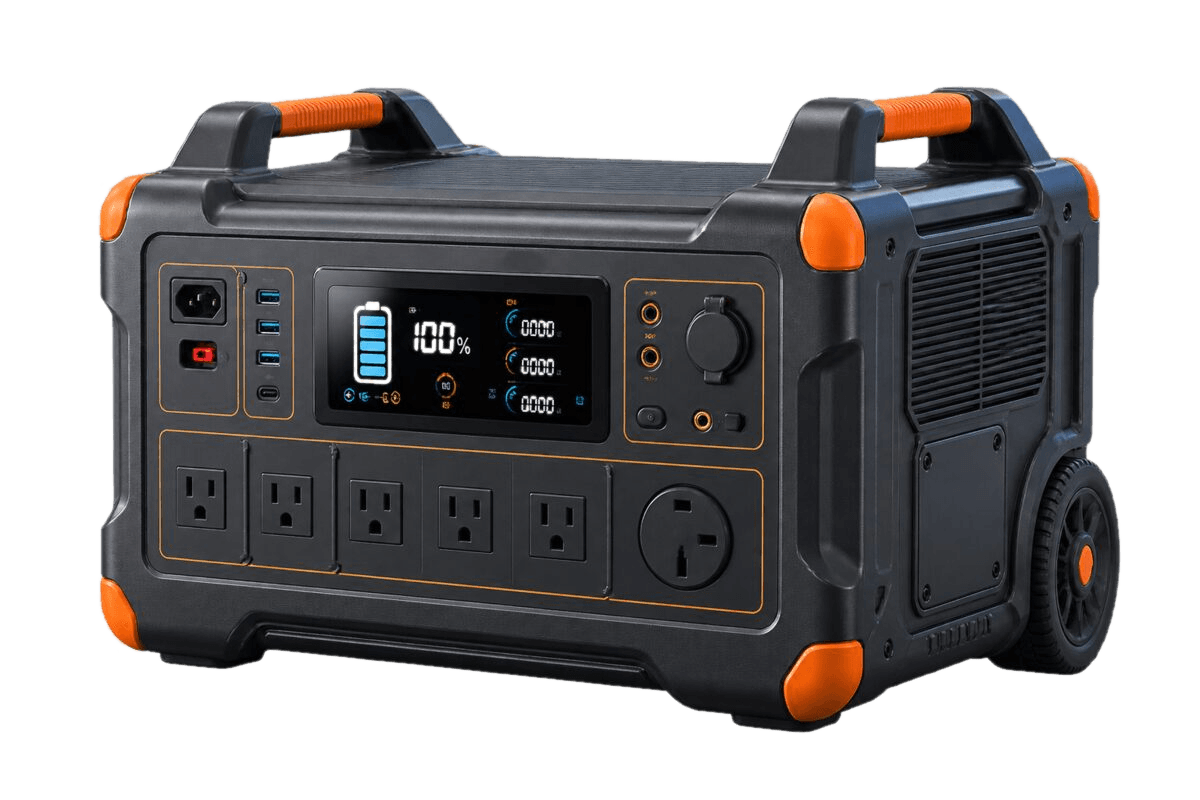
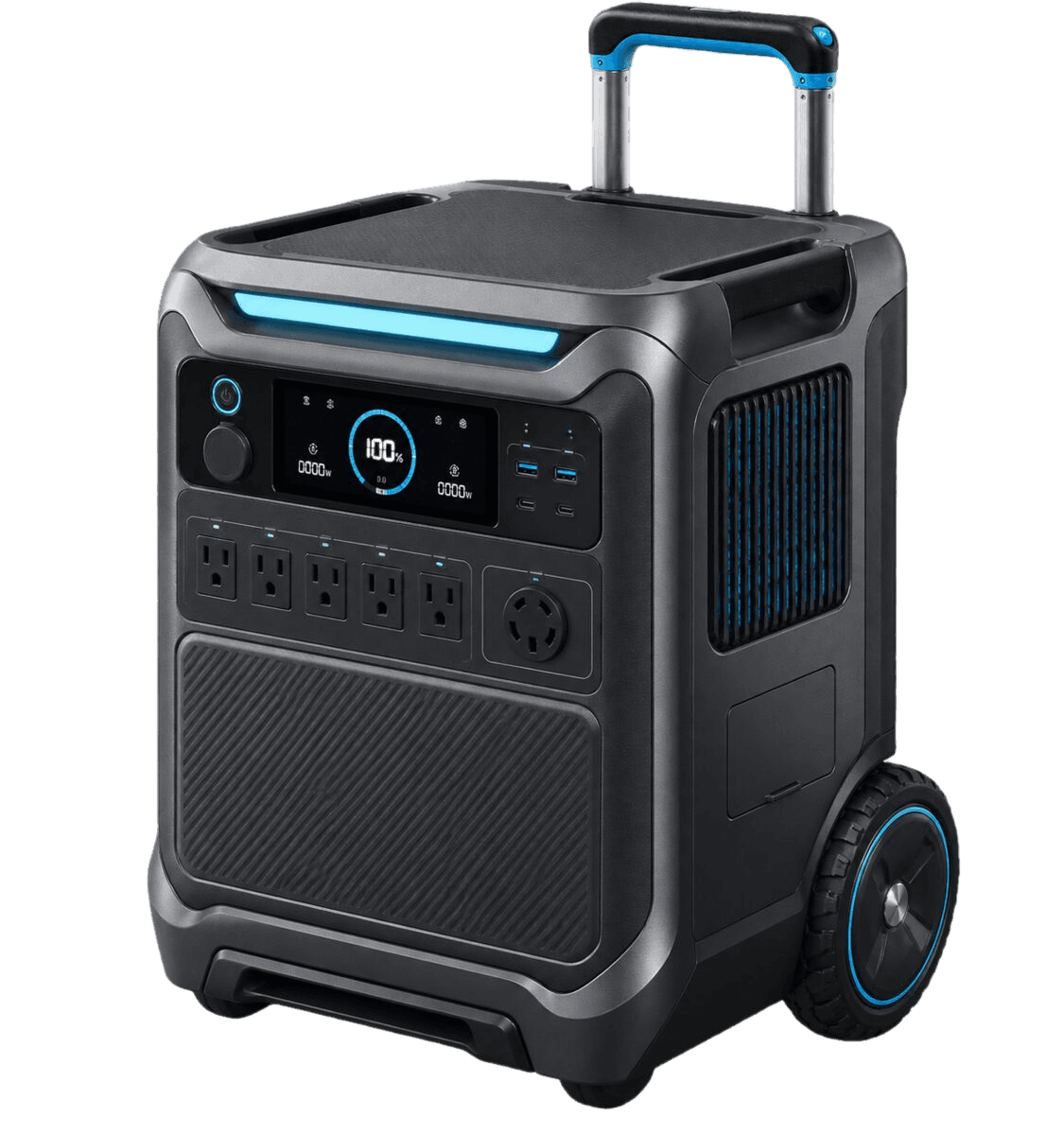
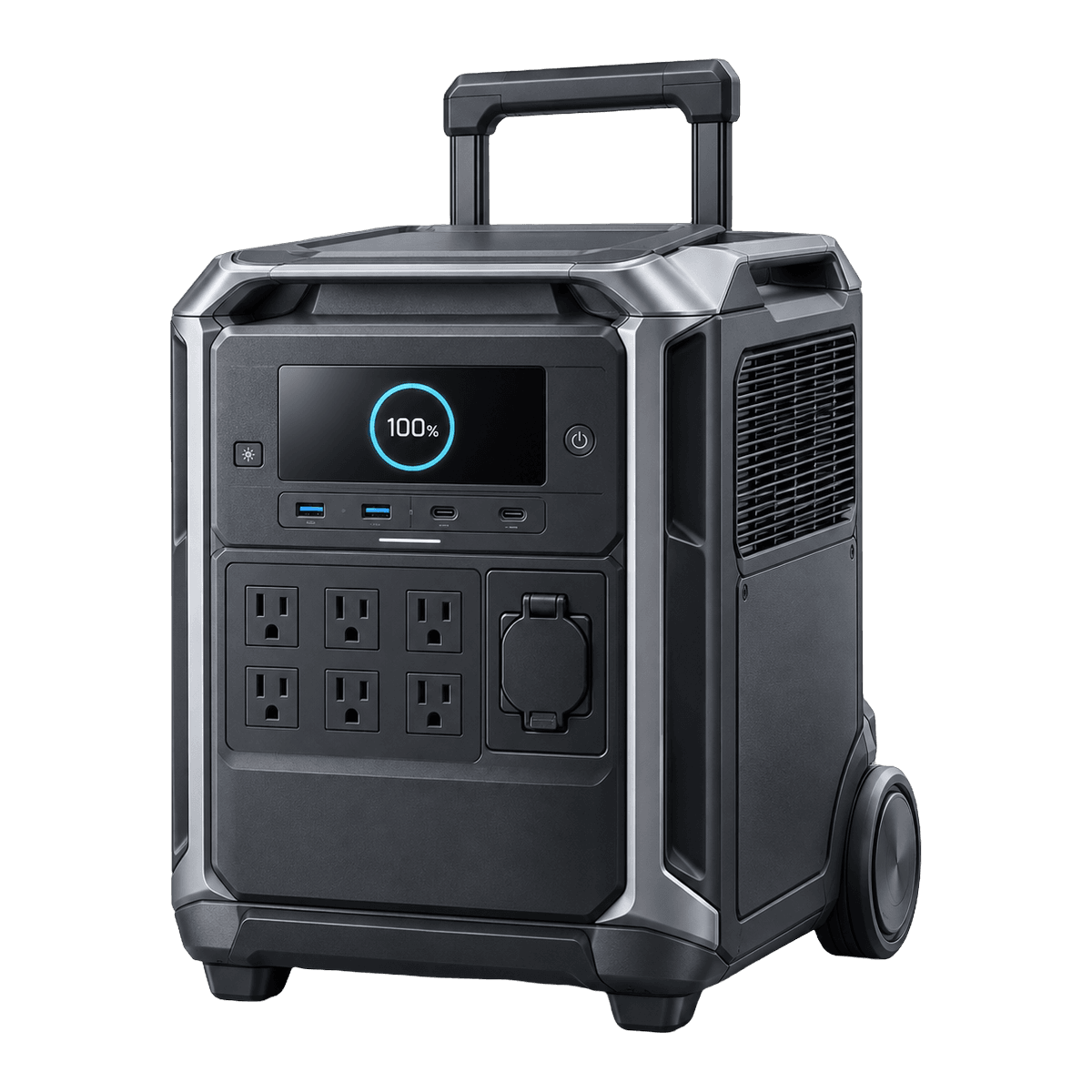
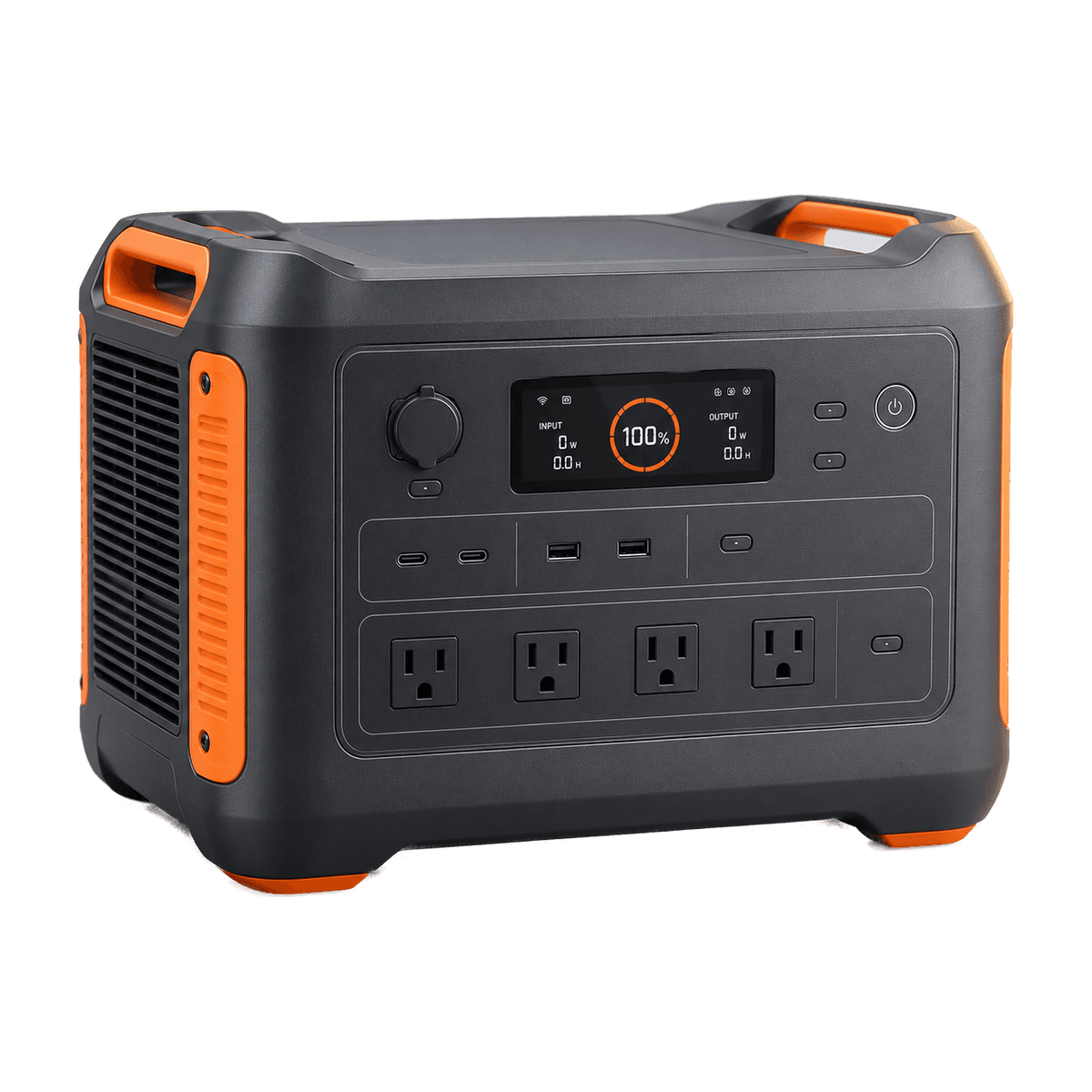
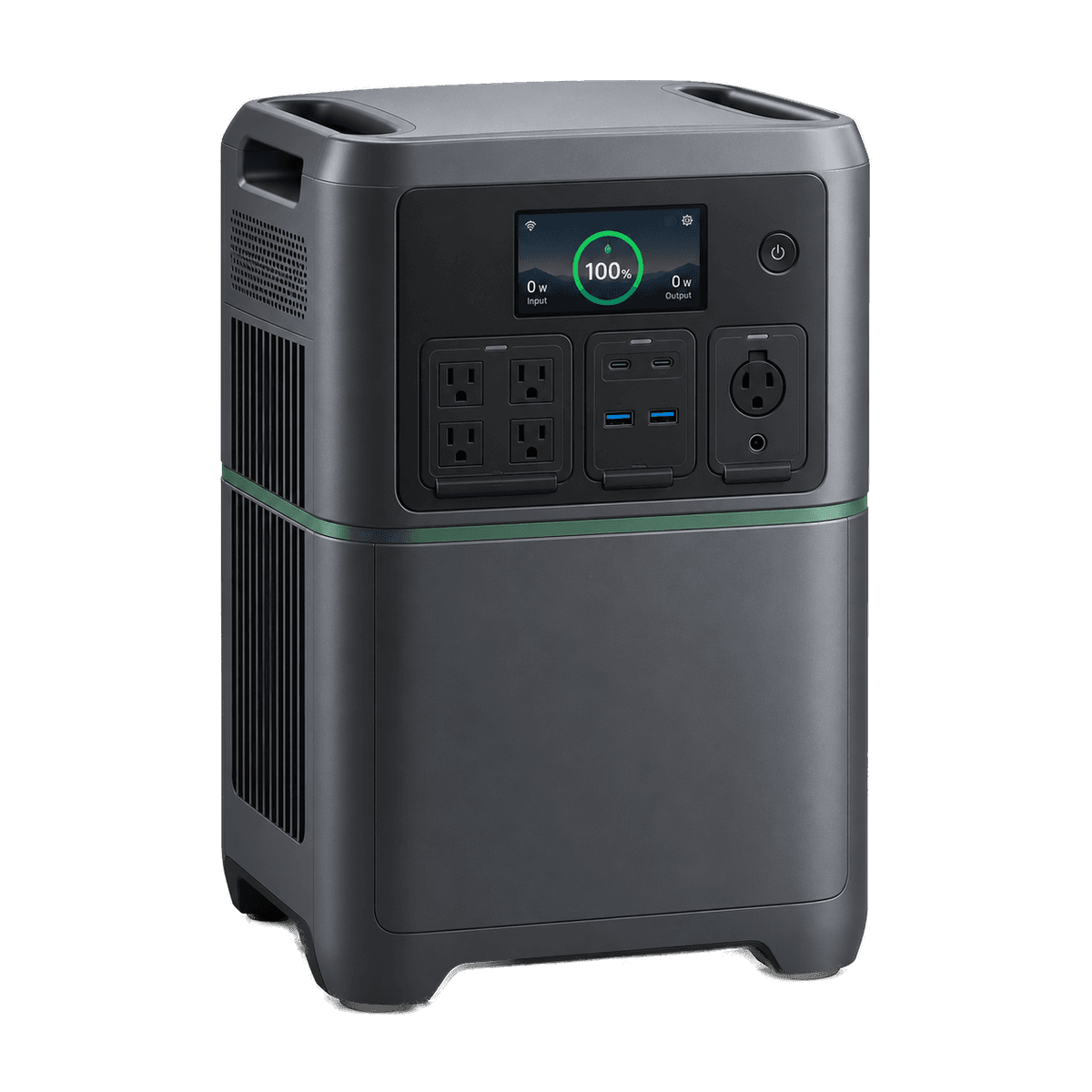
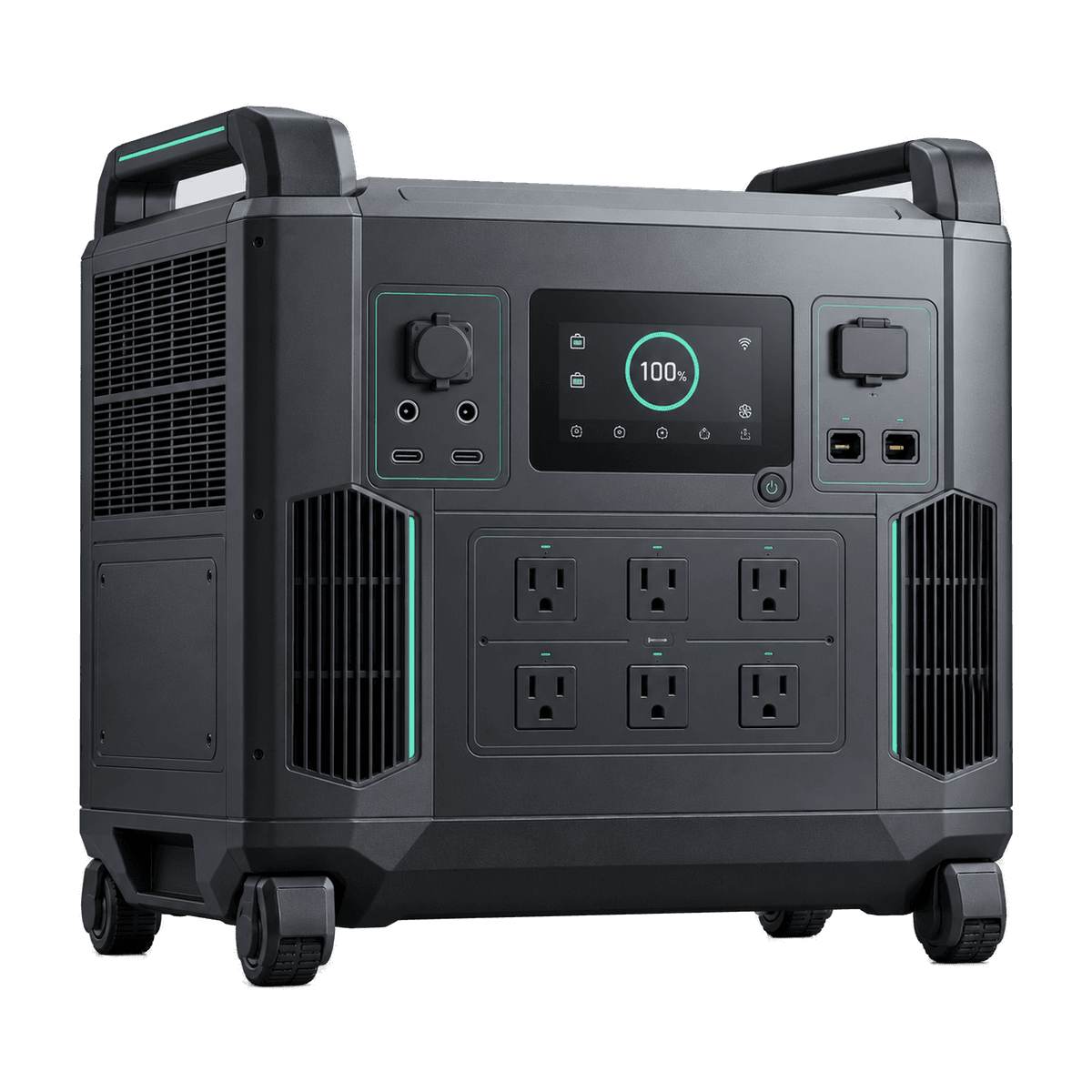
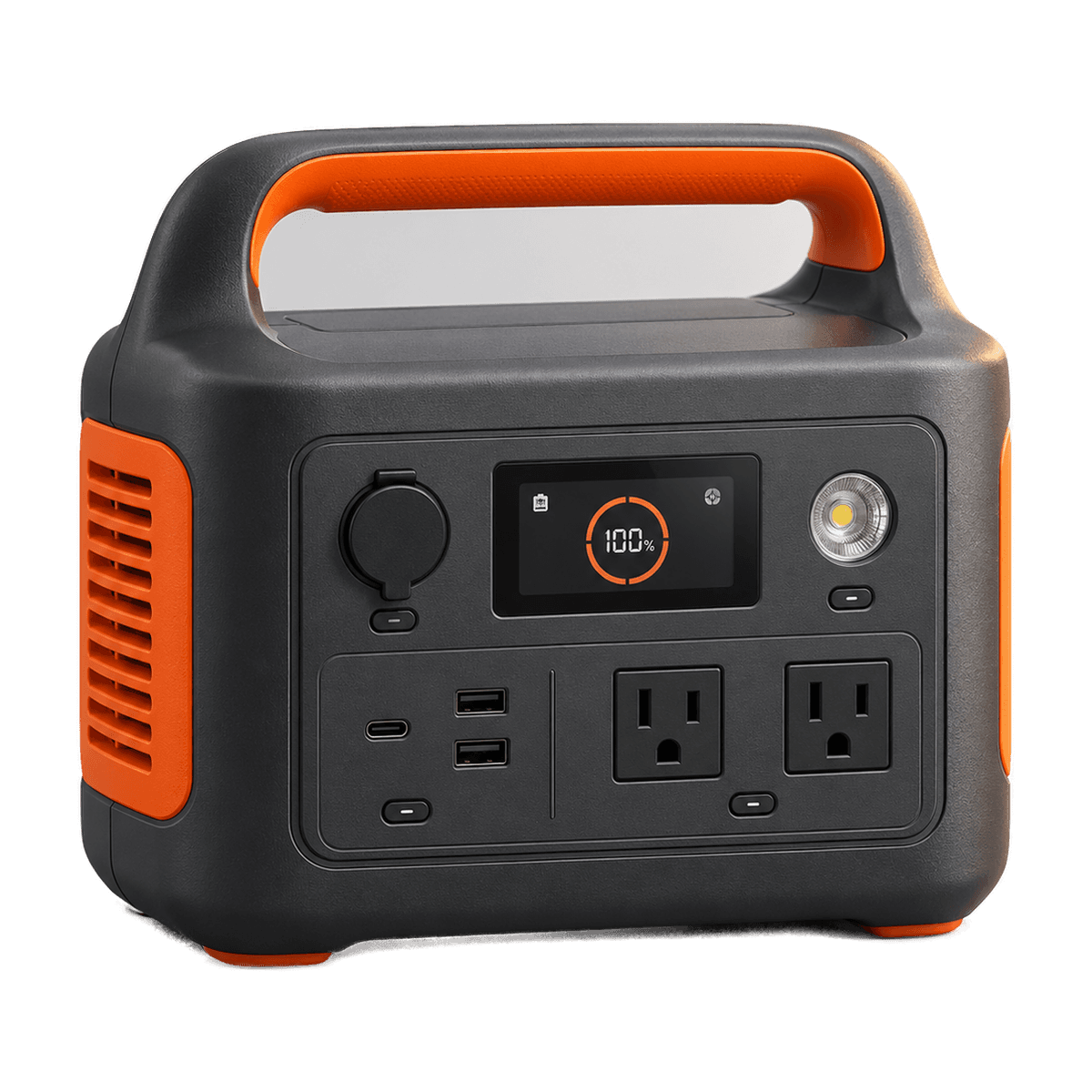
Estimated nights ≈ (station capacity × usable efficiency) ÷ (CPAP watts × hours per night). Enter your machine's own consumption (from its label or power-supply spec), add humidifier/heated-tube draw if used, and the calculator shows Wh needed per night and how many nights each catalog product could realistically cover.
CPAP users planning backup power for travel, camping, or a home power outage — not a substitute for medical advice about therapy continuity.
Compared dynamically against all 49 products currently in the PowerMatchLab catalog — never a fixed list.
Formula
Total device watts = base CPAP watts + humidifier watts (if active) + heated-tube watts (if active). Wh per night = total watts × hours per night. Recommended minimum capacity (Wh) = (Wh per night × nights) ÷ usable efficiency × (1 + reserve fraction).
Why there's no single "CPAP wattage"
CPAP power draw depends on brand, model, pressure setting, altitude compensation, and whether a heated humidifier or heated tube is active — published figures for base machines commonly range from roughly 15 to 60 W, before humidifier or tubing draw is added. There is no single number that applies to every machine.
The most reliable figure is your own device's rating label or the manufacturer's power-supply specification (often printed directly on the power brick). A plug-in energy meter gives an even more precise real-world average, since actual draw varies with pressure and humidity settings.
Humidifier and heated tube add meaningfully
A heated humidifier can add roughly 20-60 W depending on the heat setting, and a heated tube adds further draw on top of that. Both toggles in the calculator let you add this on top of the base machine wattage rather than guessing a single combined number.
AC inverter power vs. direct DC
Running a CPAP through a power station's AC inverter outlet loses some energy to conversion, the same way any AC device does. Many CPAP machines also accept a direct 12V/24V DC cable when paired with the right adapter, which skips that conversion step and is typically more efficient — check your machine's compatibility before relying on this.
The calculator lets the AC/DC choice adjust the starting point of the efficiency slider (higher for DC), but the slider itself stays fully editable — this is a starting assumption, not a measured figure for your exact setup.
Common mistakes
!Using a generic "40 W" figure for every CPAP model instead of the actual machine's rating label.
!Forgetting to add humidifier or heated-tube draw, which can understate real consumption by 50% or more.
!Assuming DC operation automatically works — not every CPAP machine has a supported DC input; check compatibility first.
!Treating the reserve headroom as unnecessary for medical equipment — it exists specifically to absorb estimate error.
No. This tool calculates estimated battery runtime from the numbers you enter — it does not assess therapy adequacy, altitude compensation, or medical suitability. Talk to your equipment provider or physician about backup power planning for your specific therapy needs.
Where do I find my CPAP's actual power draw?+
Check the rating label on the machine or its power supply/brick, or the manufacturer's published specification sheet for your exact model. A plug-in energy meter between the wall outlet and the power supply gives the most accurate real-world average.
Does altitude or air pressure setting change power draw?+
It can — the motor works harder at a higher prescribed pressure or with altitude compensation active. If your machine's documentation gives a range rather than one figure, use the higher end for a more conservative estimate.
Sources
PowerMatchLab's own Power Calculator methodology (same formulas, see About & Methodology)
Last updated September 11, 2026. This tool performs calculations from the numbers you enter — it does not measure, test or guarantee real-world performance. See About & Methodology.
This tool calculates estimated battery runtime only. It does not assess therapy adequacy or medical suitability. Always check your CPAP machine’s own rating label or the manufacturer’s power-supply specification for its real power draw, and consult your equipment provider or physician about backup power planning.
Educational starting points only — every value below is editable. Check your device’s own label for its real consumption.
Assumed usable share of nameplate capacity after inverter and conversion losses.
Extra capacity kept in reserve above the calculated requirement.
Recommended minimum capacity
395Wh
= (35 W × 8 h × 1 night) ÷ 85% usable × (1 + 20% reserve)
Wh per night
280 Wh
Wh over 1 night
280 Wh
Device draw
35 W
Why your real result may differ+
These figures are planning estimates from the inputs and assumptions above — not a lab measurement. Your real result can vary with:
Temperature — cold reduces usable battery capacity; heat can trigger throttling
Battery age and condition — capacity fades gradually with cycles and time
Inverter efficiency — some energy is always lost converting DC to AC
Variable appliance draw — most appliances don't pull a constant wattage
Startup/surge power — a motor's brief startup spike can exceed its running watts
Appliance settings — e.g. humidifier, fan speed, or temperature setting
Conversion losses beyond the modeled efficiency assumption
Real solar conditions — actual panel output is usually well below its rated watts
The safety reserve is a margin for error, not a guarantee
Every product in the catalog is classified against your requirement using the same engine as the Power Calculator: first compatibility (does it meet every hard requirement), then how proportionate it is to your need. Units that fail a hard requirement are shown as Not Suitable with the reason, rather than hidden — and units far larger than you need are labeled Oversized rather than presented as a top pick.
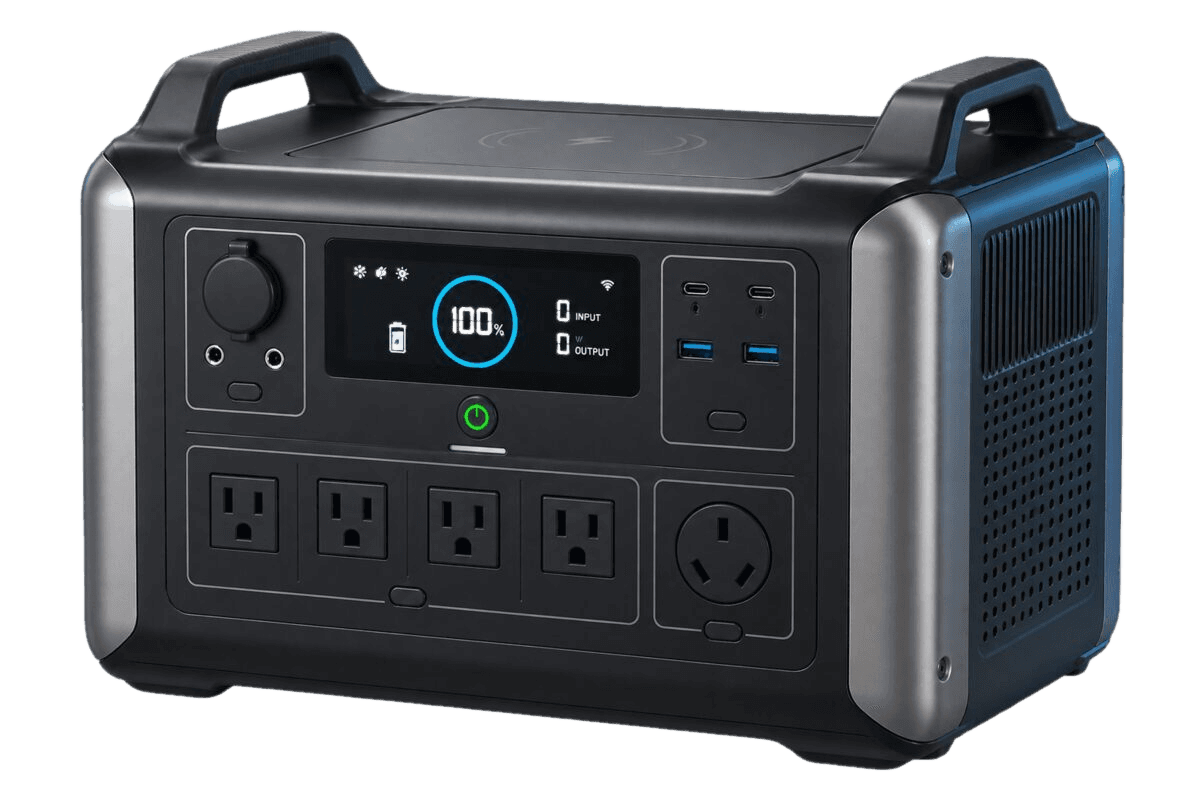
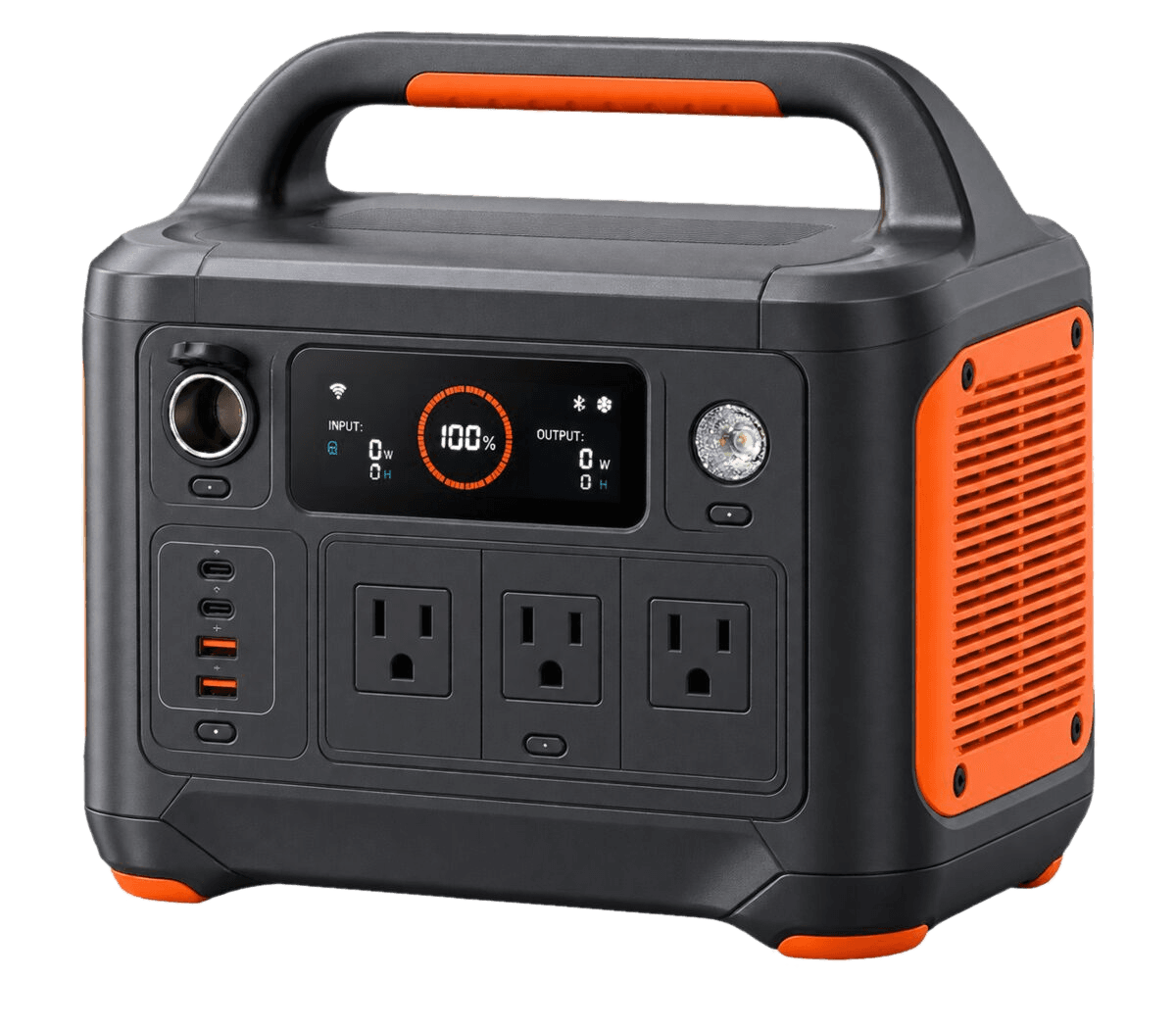
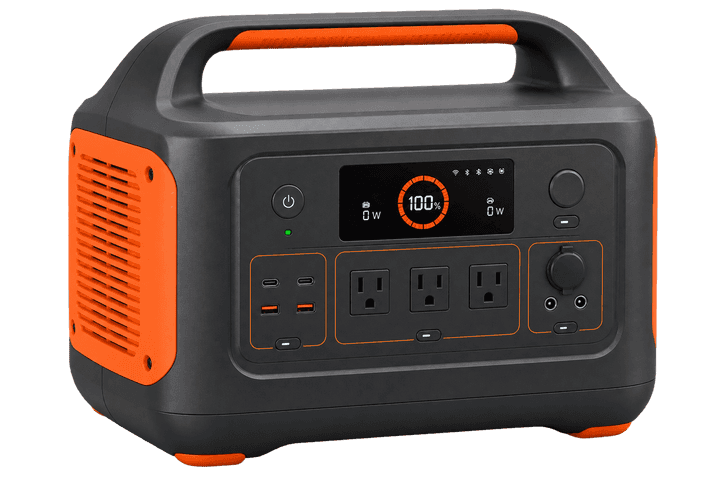
Illustrative image — not an exact product photograph.
Price, availability and current rating are shown on Amazon — PowerMatchLab does not display them because we have not independently verified them. As an Amazon Associate we may earn from qualifying purchases.
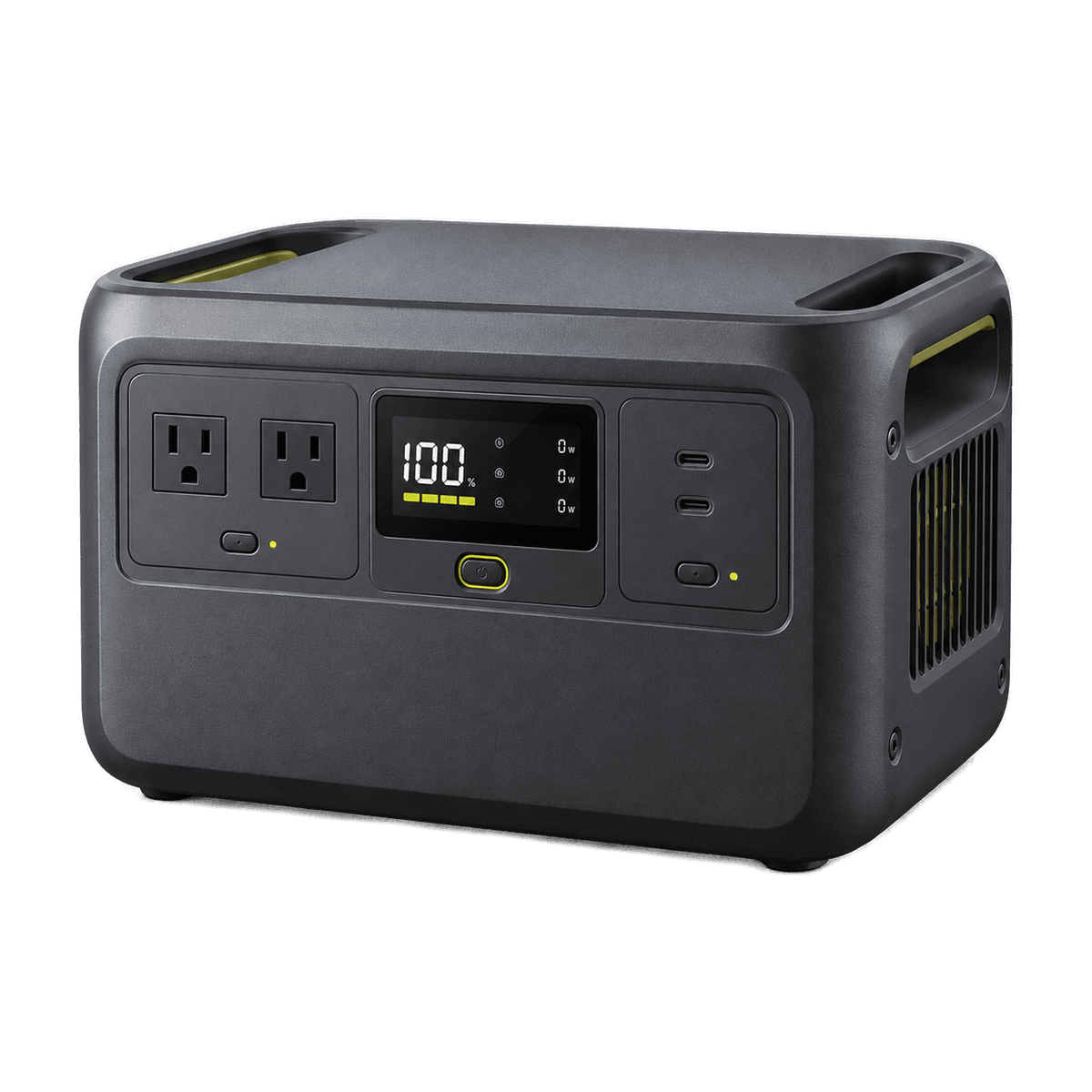
Goal Zero Yeti 700
Oversized alternatives — larger than you need (31)
These fully meet your requirement but carry much more capacity or output than your calculation needs. They can still make sense for future growth, but they are not the proportionate pick.
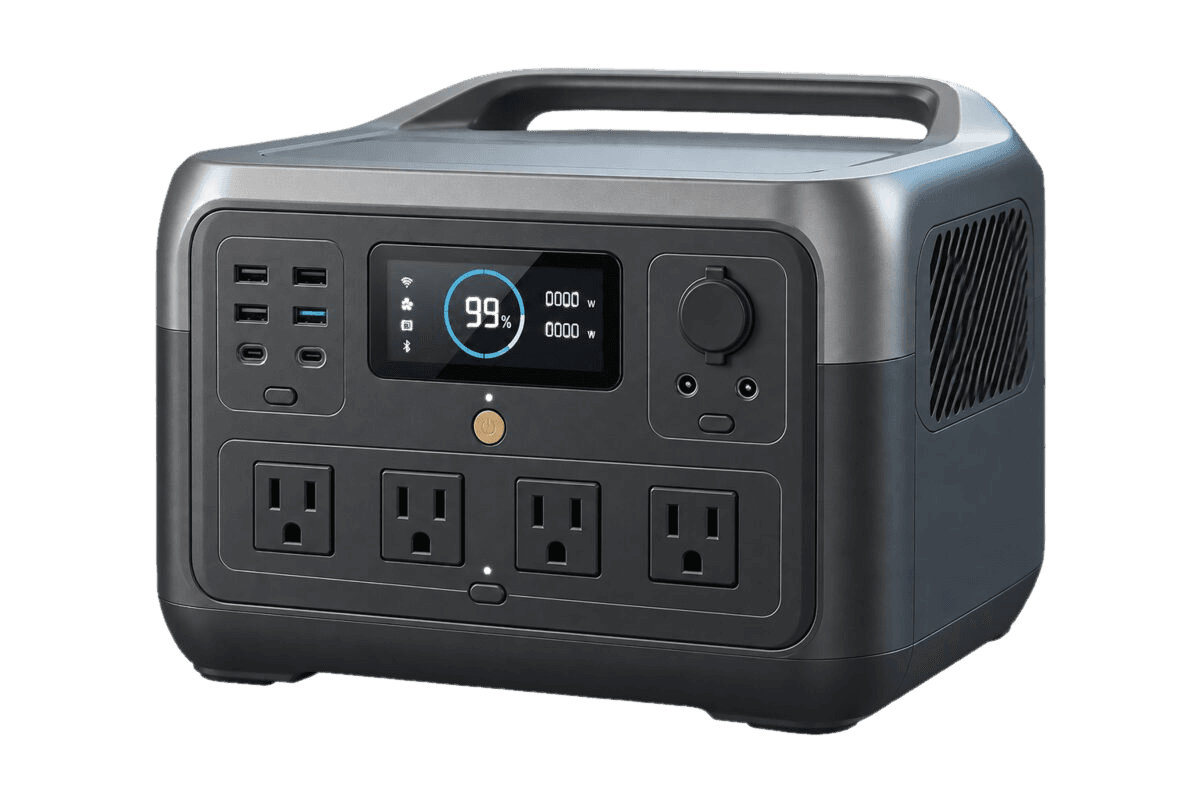
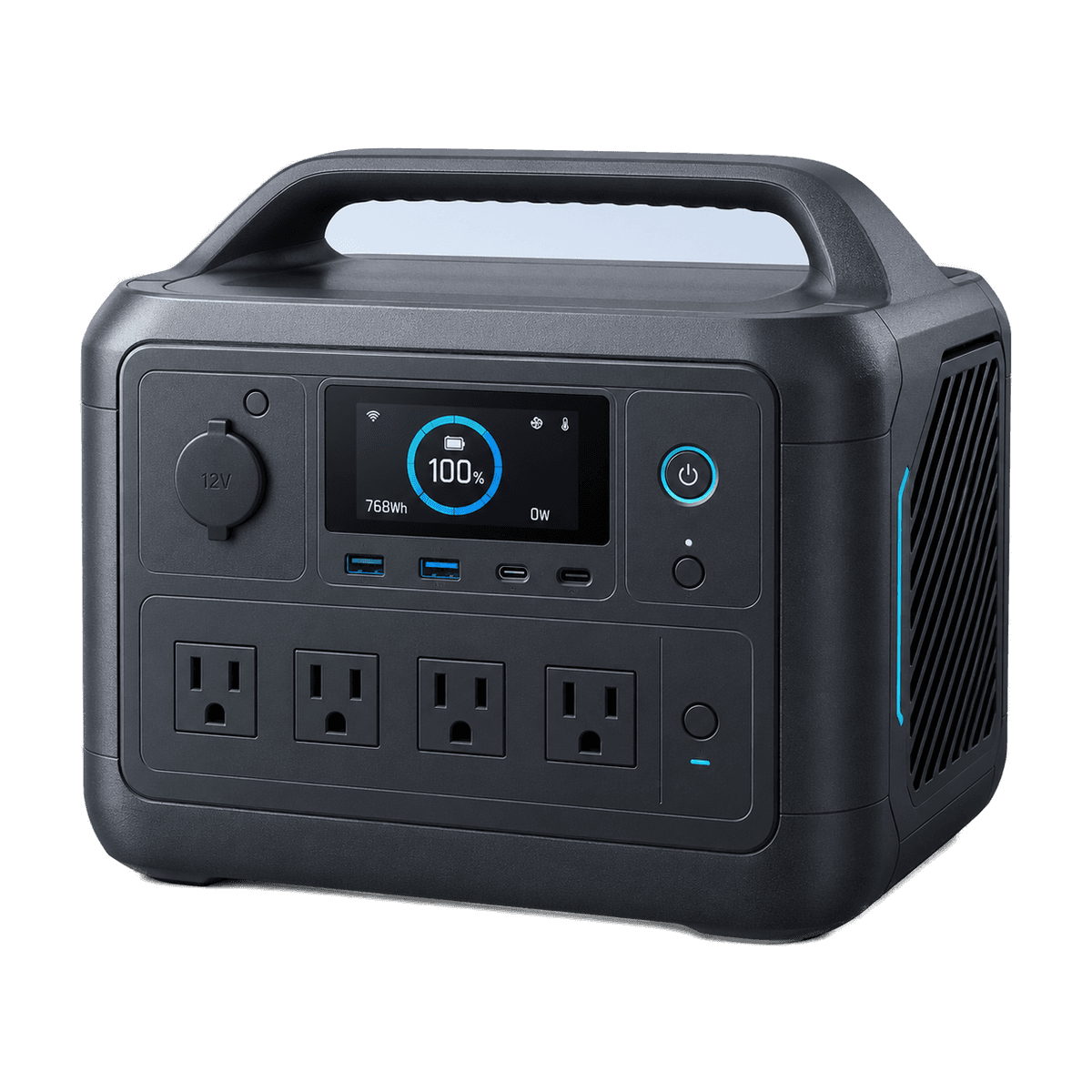
Illustrative image — not an exact product photograph.
Price, availability and current rating are shown on Amazon — PowerMatchLab does not display them because we have not independently verified them. As an Amazon Associate we may earn from qualifying purchases.
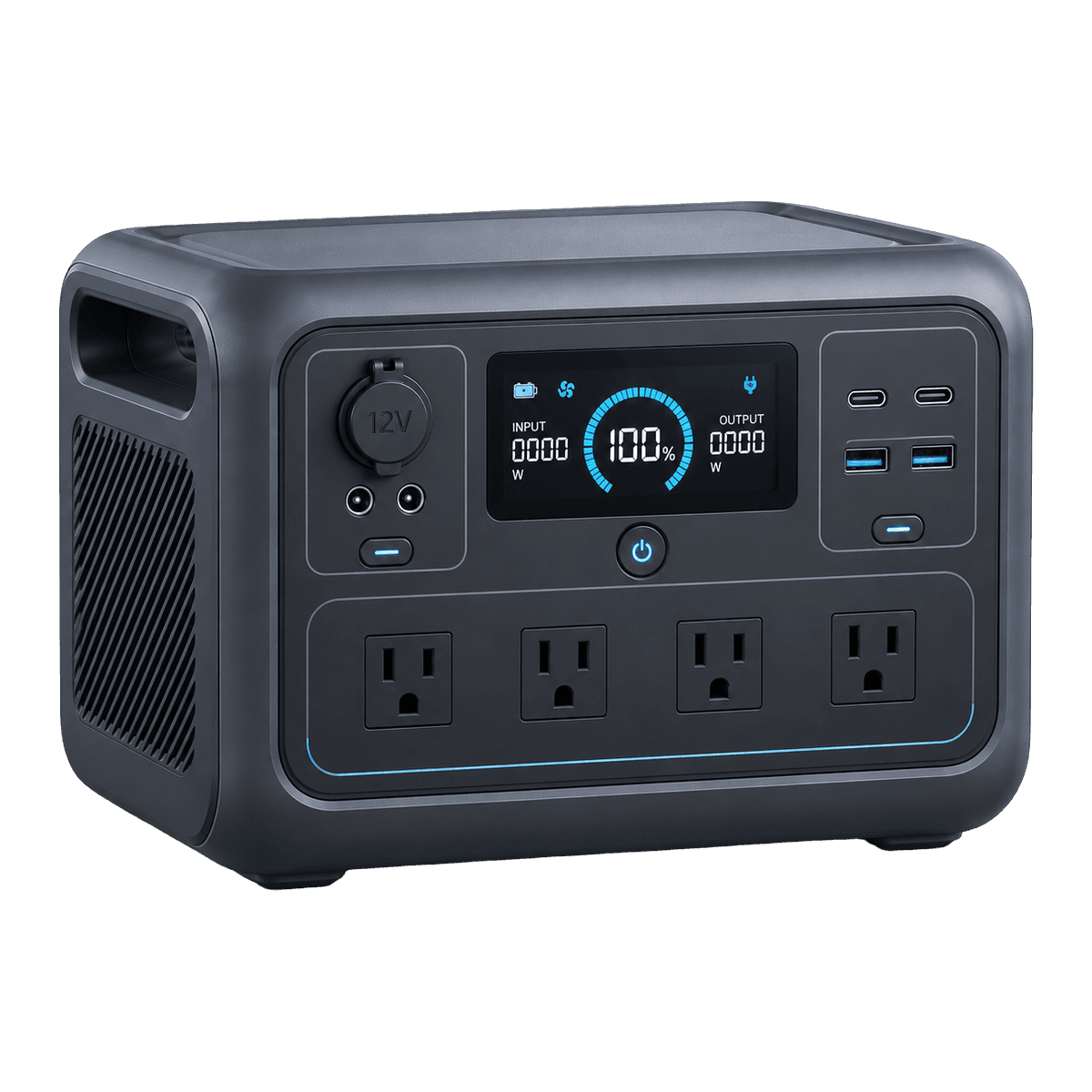
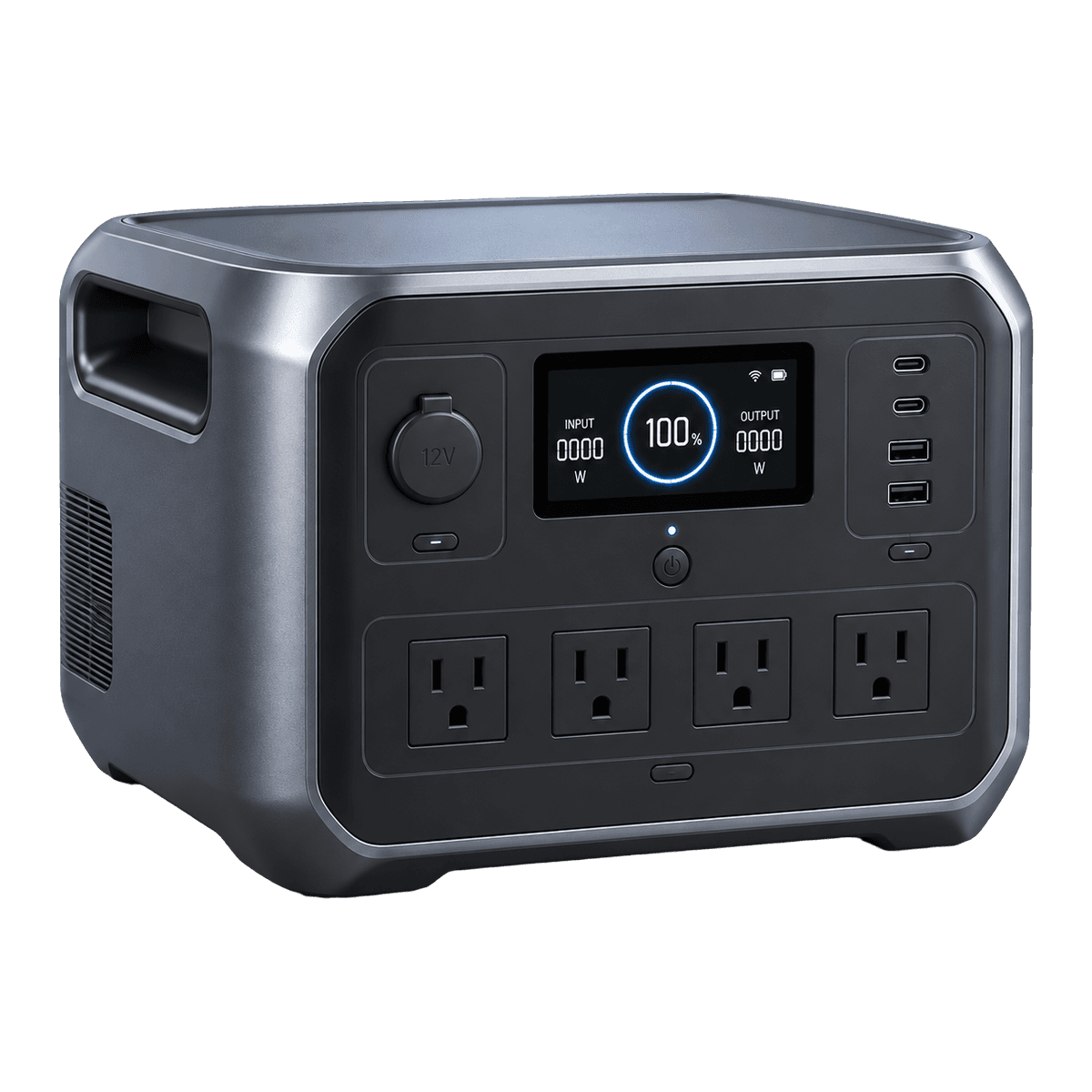
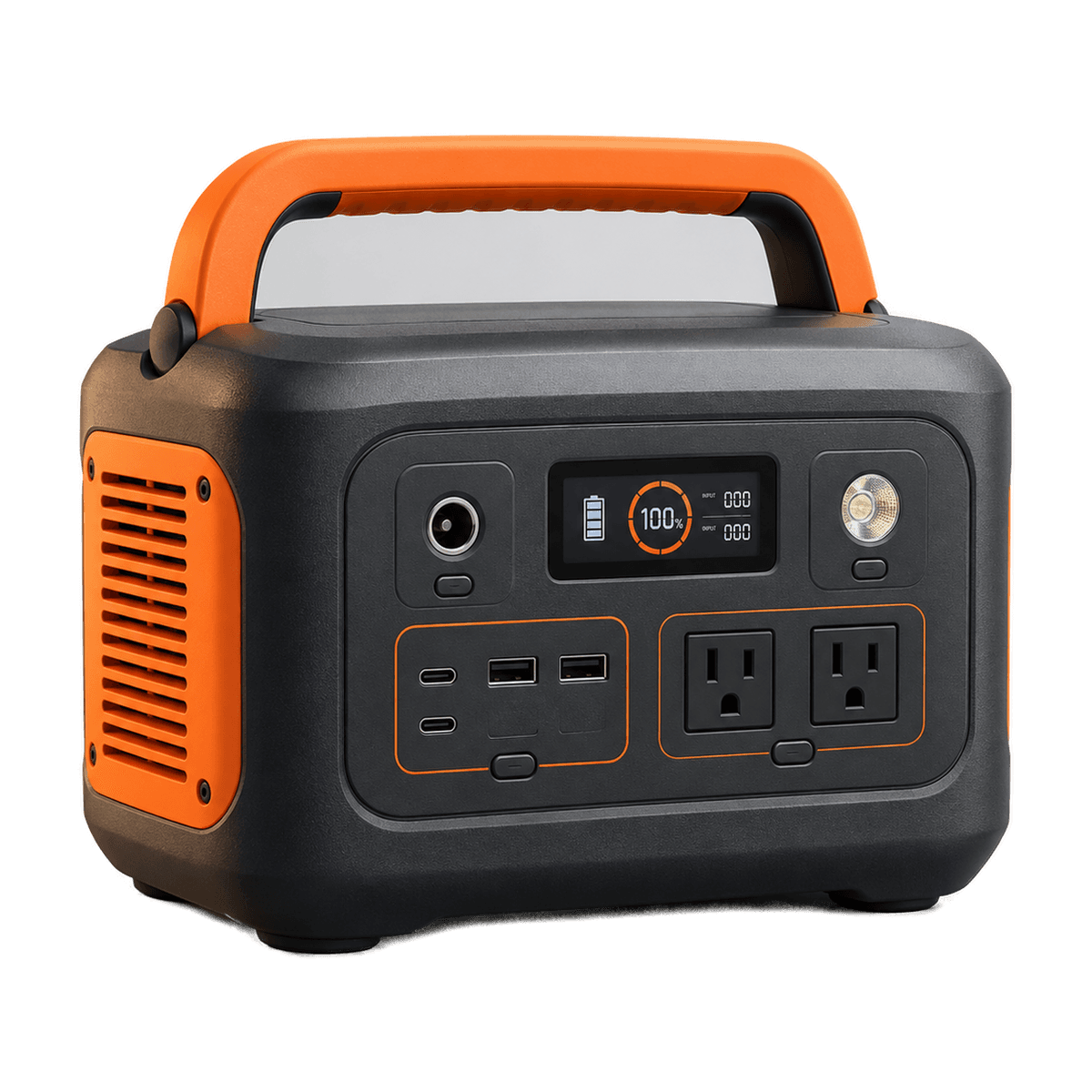
EcoFlow RIVER 2 Pro
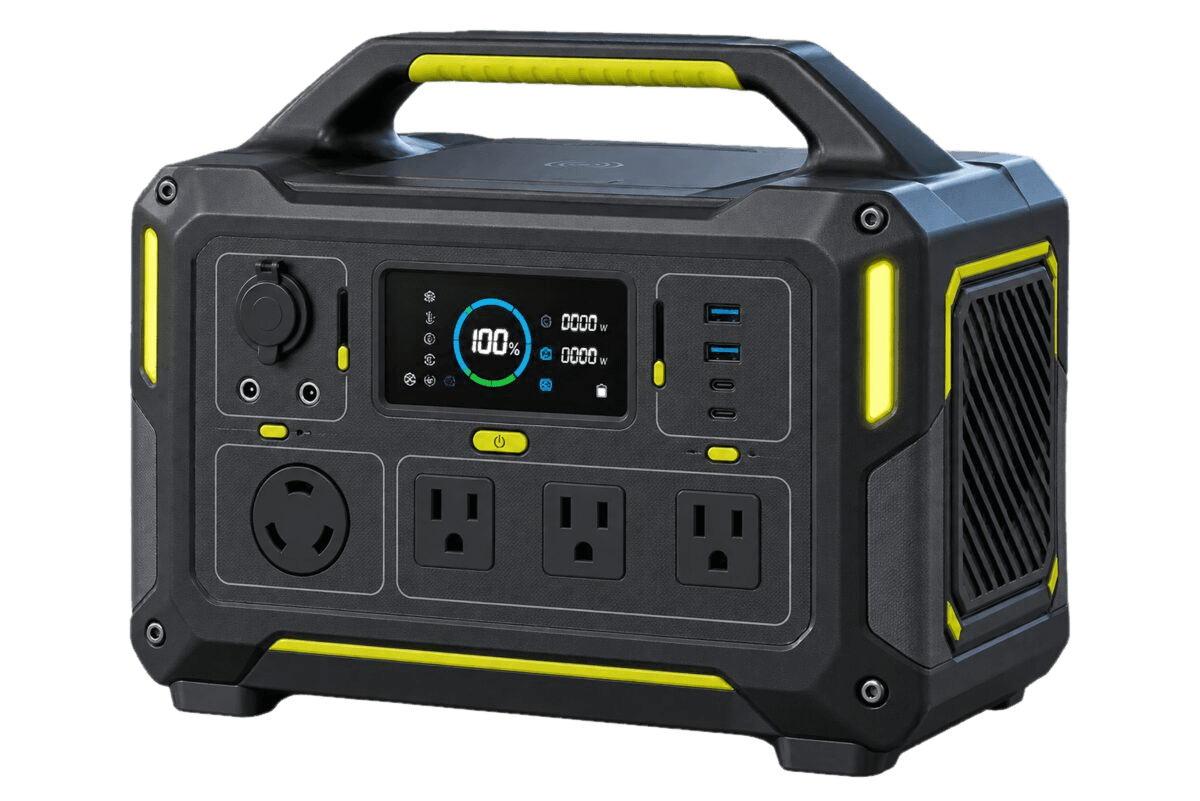
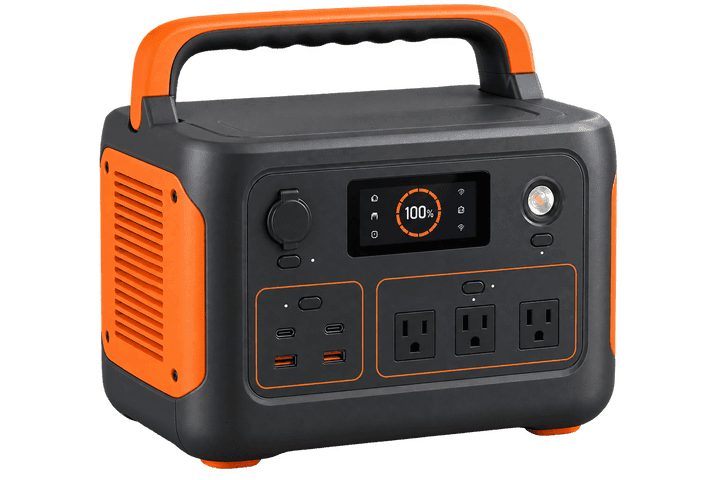
Independent editorial illustration — not an official product photo.
Price, availability and current rating are shown on Amazon — PowerMatchLab does not display them because we have not independently verified them. As an Amazon Associate we may earn from qualifying purchases.
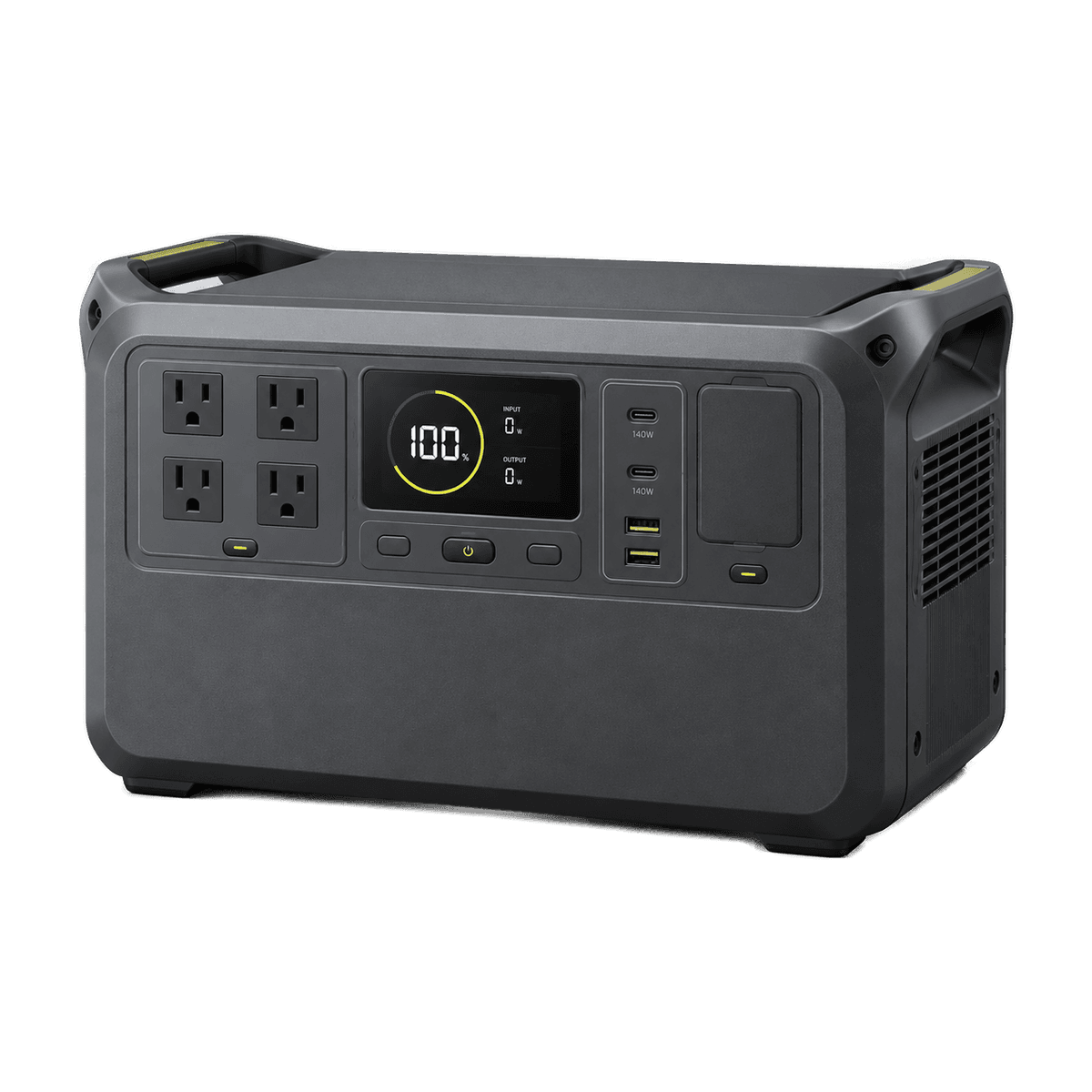
BLUETTI AC70
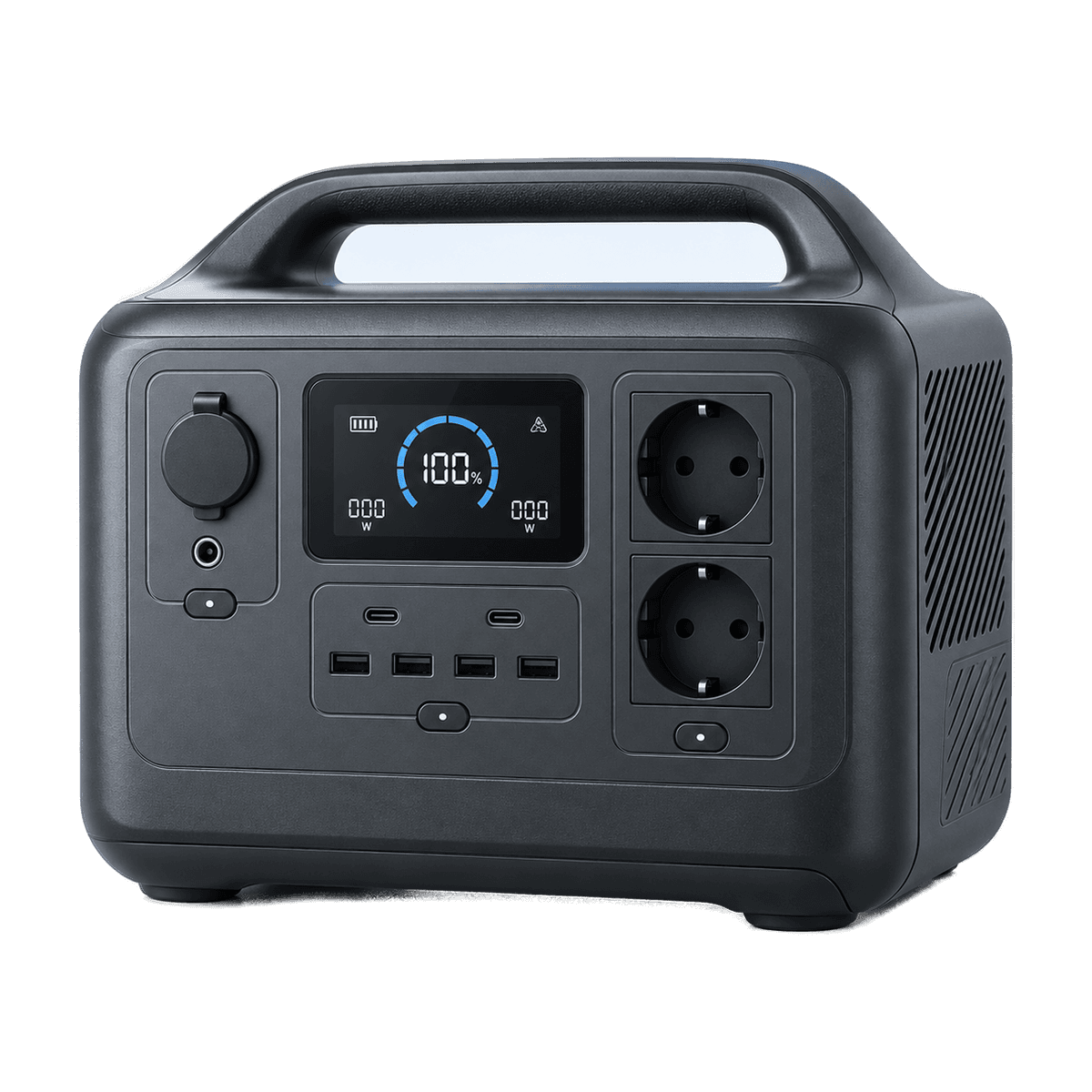
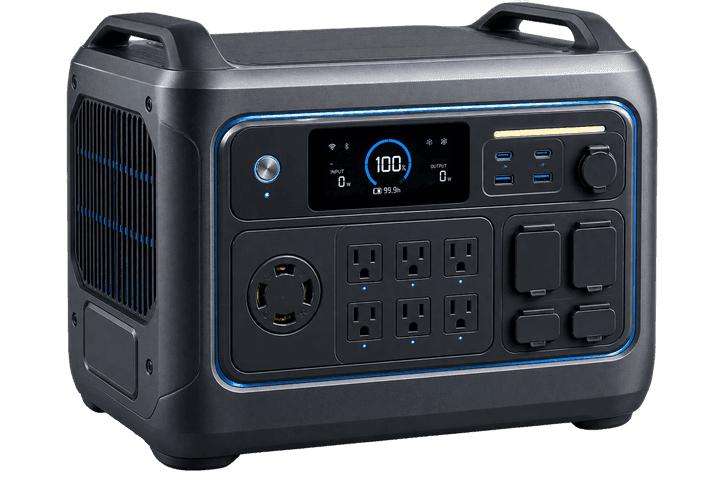
Illustrative image — not an exact product photograph.
Price, availability and current rating are shown on Amazon — PowerMatchLab does not display them because we have not independently verified them. As an Amazon Associate we may earn from qualifying purchases.
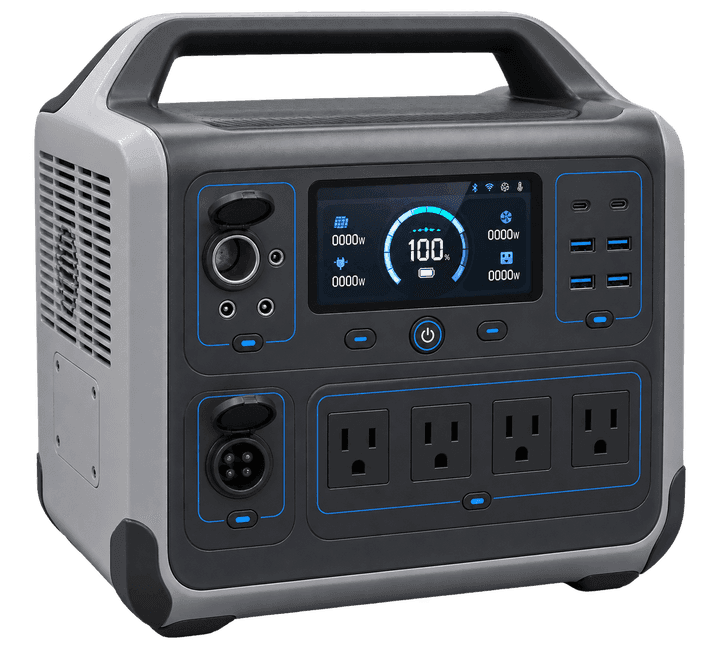
VTOMAN FlashSpeed 1000
Illustrative image — not an exact product photograph.
Price, availability and current rating are shown on Amazon — PowerMatchLab does not display them because we have not independently verified them. As an Amazon Associate we may earn from qualifying purchases.
Anker SOLIX C1000 Gen 2
Independent editorial illustration — not an official product photo.
Price, availability and current rating are shown on Amazon — PowerMatchLab does not display them because we have not independently verified them. As an Amazon Associate we may earn from qualifying purchases.
BLUETTI Elite 100 V2
Independent editorial illustration — not an official product photo.
Price, availability and current rating are shown on Amazon — PowerMatchLab does not display them because we have not independently verified them. As an Amazon Associate we may earn from qualifying purchases.
EcoFlow DELTA 3 Plus
Illustrative image — not an exact product photograph.
Price, availability and current rating are shown on Amazon — PowerMatchLab does not display them because we have not independently verified them. As an Amazon Associate we may earn from qualifying purchases.
EcoFlow DELTA 3 Classic
Illustrative image — not an exact product photograph.
Price, availability and current rating are shown on Amazon — PowerMatchLab does not display them because we have not independently verified them. As an Amazon Associate we may earn from qualifying purchases.
Segway Cube 1000
Independent editorial illustration — not an official product photo.
Price, availability and current rating are shown on Amazon — PowerMatchLab does not display them because we have not independently verified them. As an Amazon Associate we may earn from qualifying purchases.
Anker SOLIX C800X
Illustrative image — not an exact product photograph.
Price, availability and current rating are shown on Amazon — PowerMatchLab does not display them because we have not independently verified them. As an Amazon Associate we may earn from qualifying purchases.
Jackery Explorer 1000 V2
Illustrative image — not an exact product photograph.
Price, availability and current rating are shown on Amazon — PowerMatchLab does not display them because we have not independently verified them. As an Amazon Associate we may earn from qualifying purchases.
Anker SOLIX C2000 Gen 2
Illustrative image — not an exact product photograph.
Price, availability and current rating are shown on Amazon — PowerMatchLab does not display them because we have not independently verified them. As an Amazon Associate we may earn from qualifying purchases.
Jackery Explorer 2000 Plus
Independent editorial illustration — not an official product photo.
Price, availability and current rating are shown on Amazon — PowerMatchLab does not display them because we have not independently verified them. As an Amazon Associate we may earn from qualifying purchases.
BLUETTI Elite 200 V2
Illustrative image — not an exact product photograph.
Price, availability and current rating are shown on Amazon — PowerMatchLab does not display them because we have not independently verified them. As an Amazon Associate we may earn from qualifying purchases.
Jackery Explorer 2000 V2
Illustrative image — not an exact product photograph.
Price, availability and current rating are shown on Amazon — PowerMatchLab does not display them because we have not independently verified them. As an Amazon Associate we may earn from qualifying purchases.
EcoFlow DELTA 2 Max
Illustrative image — not an exact product photograph.
Price, availability and current rating are shown on Amazon — PowerMatchLab does not display them because we have not independently verified them. As an Amazon Associate we may earn from qualifying purchases.
Pecron E2400LFP
Independent editorial illustration — not an official product photo.
Price, availability and current rating are shown on Amazon — PowerMatchLab does not display them because we have not independently verified them. As an Amazon Associate we may earn from qualifying purchases.
EcoFlow DELTA 3 Max Plus
Illustrative image — not an exact product photograph.
Price, availability and current rating are shown on Amazon — PowerMatchLab does not display them because we have not independently verified them. As an Amazon Associate we may earn from qualifying purchases.
BLUETTI AC200L
Independent editorial illustration — not an official product photo.
Price, availability and current rating are shown on Amazon — PowerMatchLab does not display them because we have not independently verified them. As an Amazon Associate we may earn from qualifying purchases.
BLUETTI Apex 300
Illustrative image — not an exact product photograph.
Price, availability and current rating are shown on Amazon — PowerMatchLab does not display them because we have not independently verified them. As an Amazon Associate we may earn from qualifying purchases.
BLUETTI Elite 300
Illustrative image — not an exact product photograph.
Price, availability and current rating are shown on Amazon — PowerMatchLab does not display them because we have not independently verified them. As an Amazon Associate we may earn from qualifying purchases.
Pecron E3600LFP
Illustrative image — not an exact product photograph.
Price, availability and current rating are shown on Amazon — PowerMatchLab does not display them because we have not independently verified them. As an Amazon Associate we may earn from qualifying purchases.
Anker SOLIX F3000
Independent editorial illustration — not an official product photo.
Price, availability and current rating are shown on Amazon — PowerMatchLab does not display them because we have not independently verified them. As an Amazon Associate we may earn from qualifying purchases.
EcoFlow DELTA 3 Ultra Plus
Independent editorial illustration — not an official product photo.
Price, availability and current rating are shown on Amazon — PowerMatchLab does not display them because we have not independently verified them. As an Amazon Associate we may earn from qualifying purchases.
Goal Zero Yeti 1500 (6th Gen)
Independent editorial illustration — not an official product photo.
Price, availability and current rating are shown on Amazon — PowerMatchLab does not display them because we have not independently verified them. As an Amazon Associate we may earn from qualifying purchases.
Jackery HomePower 3600 Plus
Illustrative image — not an exact product photograph.
Price, availability and current rating are shown on Amazon — PowerMatchLab does not display them because we have not independently verified them. As an Amazon Associate we may earn from qualifying purchases.
Anker SOLIX F3800
Illustrative image — not an exact product photograph.
Price, availability and current rating are shown on Amazon — PowerMatchLab does not display them because we have not independently verified them. As an Amazon Associate we may earn from qualifying purchases.
EcoFlow DELTA Pro 3
Independent editorial illustration — not an official product photo.
Price, availability and current rating are shown on Amazon — PowerMatchLab does not display them because we have not independently verified them. As an Amazon Associate we may earn from qualifying purchases.
EcoFlow DELTA 3 Max
Independent editorial illustration — not an official product photo.
Price, availability and current rating are shown on Amazon — PowerMatchLab does not display them because we have not independently verified them. As an Amazon Associate we may earn from qualifying purchases.
EcoFlow DELTA Pro Ultra
Independent editorial illustration — not an official product photo.
Price, availability and current rating are shown on Amazon — PowerMatchLab does not display them because we have not independently verified them. As an Amazon Associate we may earn from qualifying purchases.
Jackery HomePower 3000
Independent editorial illustration — not an official product photo.
Price, availability and current rating are shown on Amazon — PowerMatchLab does not display them because we have not independently verified them. As an Amazon Associate we may earn from qualifying purchases.
BLUETTI Elite 400
Possible matches (11)
Independent editorial illustration — not an official product photo.
Price, availability and current rating are shown on Amazon — PowerMatchLab does not display them because we have not independently verified them. As an Amazon Associate we may earn from qualifying purchases.
DJI Power 500
Independent editorial illustration — not an official product photo.
Price, availability and current rating are shown on Amazon — PowerMatchLab does not display them because we have not independently verified them. As an Amazon Associate we may earn from qualifying purchases.
Jackery Explorer 500 v2
Independent editorial illustration — not an official product photo.
Price, availability and current rating are shown on Amazon — PowerMatchLab does not display them because we have not independently verified them. As an Amazon Associate we may earn from qualifying purchases.
DJI Power 1000 V2
Illustrative image — not an exact product photograph.
Price, availability and current rating are shown on Amazon — PowerMatchLab does not display them because we have not independently verified them. As an Amazon Associate we may earn from qualifying purchases.
BLUETTI AC180
Illustrative image — not an exact product photograph.
Price, availability and current rating are shown on Amazon — PowerMatchLab does not display them because we have not independently verified them. As an Amazon Associate we may earn from qualifying purchases.
Anker SOLIX S2000
Independent editorial illustration — not an official product photo.
Price, availability and current rating are shown on Amazon — PowerMatchLab does not display them because we have not independently verified them. As an Amazon Associate we may earn from qualifying purchases.
DJI Power 2000
Independent editorial illustration — not an official product photo.
Amazon option includes an Anderson extension cable
Price, availability and current rating are shown on Amazon — PowerMatchLab does not display them because we have not independently verified them. As an Amazon Associate we may earn from qualifying purchases.
Jackery Explorer 5000 Plus
Independent editorial illustration — not an official product photo.
Price, availability and current rating are shown on Amazon — PowerMatchLab does not display them because we have not independently verified them. As an Amazon Associate we may earn from qualifying purchases.
Anker SOLIX F2000 (PowerHouse 767)
Independent editorial illustration — not an official product photo.
Price, availability and current rating are shown on Amazon — PowerMatchLab does not display them because we have not independently verified them. As an Amazon Associate we may earn from qualifying purchases.
Jackery Explorer 3000 v2
Independent editorial illustration — not an official product photo.
Price, availability and current rating are shown on Amazon — PowerMatchLab does not display them because we have not independently verified them. As an Amazon Associate we may earn from qualifying purchases.
Mango Power E
Independent editorial illustration — not an official product photo.
Price, availability and current rating are shown on Amazon — PowerMatchLab does not display them because we have not independently verified them. As an Amazon Associate we may earn from qualifying purchases.
Growatt HELIOS 3600
Not suitable for this requirement (6)
Independent editorial illustration — not an official product photo.
Price, availability and current rating are shown on Amazon — PowerMatchLab does not display them because we have not independently verified them. As an Amazon Associate we may earn from qualifying purchases.
Jackery Explorer 300 Plus
Independent editorial illustration — not an official product photo.
Price, availability and current rating are shown on Amazon — PowerMatchLab does not display them because we have not independently verified them. As an Amazon Associate we may earn from qualifying purchases.
EcoFlow RIVER 3
Illustrative image — not an exact product photograph.
Price, availability and current rating are shown on Amazon — PowerMatchLab does not display them because we have not independently verified them. As an Amazon Associate we may earn from qualifying purchases.
Anker SOLIX C300
Independent editorial illustration — not an official product photo.
Price, availability and current rating are shown on Amazon — PowerMatchLab does not display them because we have not independently verified them. As an Amazon Associate we may earn from qualifying purchases.
EcoFlow RIVER 3 Plus
Independent editorial illustration — not an official product photo.
Price, availability and current rating are shown on Amazon — PowerMatchLab does not display them because we have not independently verified them. As an Amazon Associate we may earn from qualifying purchases.
Goal Zero Yeti 300
Illustrative image — not an exact product photograph.
Price, availability and current rating are shown on Amazon — PowerMatchLab does not display them because we have not independently verified them. As an Amazon Associate we may earn from qualifying purchases.
BLUETTI Elite 30 V2
Why these results?
Recommendations are deterministic: your required continuous output, capacity (with reserve) and estimated surge are compared against each unit’s manufacturer-published specs, then your stated hard requirements are applied. Nothing here is sponsored, and no score is invented to rank a product.