By Bilal Siali · Last updated September 1, 2026
Every power station in the current PowerMatchLab catalog uses LiFePO4 (lithium iron phosphate, or LFP). Here is why the industry has shifted this way, and what the trade-offs mean for you.
Cycle life
LFP cells typically tolerate several thousand charge/discharge cycles before dropping to 80% capacity — often 3,000 to 6,000+ depending on the cell and how it is managed. Older NMC (nickel manganese cobalt) packs usually rate for fewer cycles.
For someone charging a station a few times a week, an LFP pack can realistically last well over a decade.
Thermal stability
LFP chemistry is more thermally stable and less prone to thermal runaway than NMC. That is a meaningful advantage for a battery you keep indoors or in a vehicle.
Energy density and weight
NMC packs more energy into the same weight and volume, so an NMC station can be lighter for the same capacity. Modern LFP stations have narrowed this gap considerably.
Practical takeaway
For stationary backup and RV use, LFP's longevity and stability usually outweigh the small weight penalty. If absolute minimum weight for a given capacity is your priority, NMC still has an edge.
Cold-weather performance: LiFePO4 vs. NMC
Both chemistries lose usable capacity and rate performance as temperature drops — that's lithium-ion chemistry in general, not specific to either one. The practical difference buyers actually run into is charging, not discharging.
LiFePO4's ion mobility drops more sharply in the cold, and charging an LFP cell below roughly freezing risks lithium plating that permanently damages capacity — so most LFP power stations' battery management system (BMS) automatically blocks or heavily throttles charging below a set temperature, regardless of ambient conditions outside. NMC cells are generally more tolerant of charging in cold conditions, though still at reduced rate and capacity versus room temperature.
Discharging (actually running a device) is less restrictive for both chemistries — a cold station can still typically supply power, just at reduced peak capacity — but always check a specific unit's published operating temperature range rather than assuming either chemistry's general behavior applies exactly to it.
For most buyers this only matters if the station is charged or stored somewhere genuinely cold (an unheated garage, a vehicle overnight in winter, outdoor use below freezing). If your station lives and charges indoors at normal room temperature, this difference rarely comes up in practice.
Put a number on it
Related products
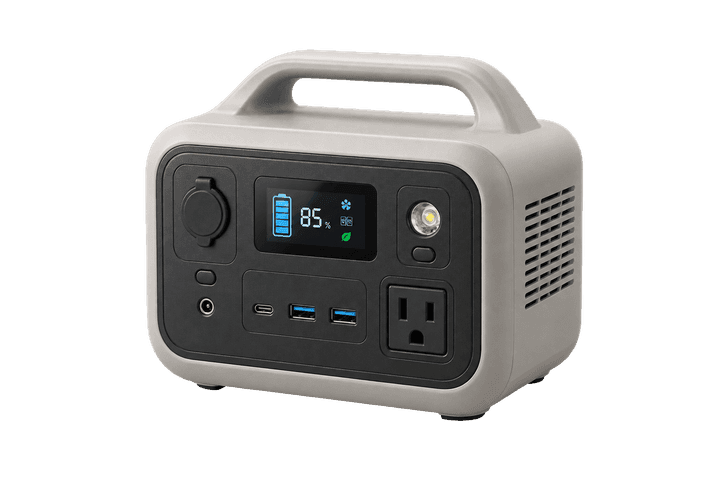
Illustrative image — not an exact product photograph.
- Capacity
- 288 Wh
- Output
- 600 W
- Weight
- 9.5 lb (4.3 kg)
Best for: camping, day trips, laptops and electronics, light emergency backup
Price, availability and current rating are shown on Amazon — PowerMatchLab does not display them because we have not independently verified them. As an Amazon Associate we may earn from qualifying purchases.
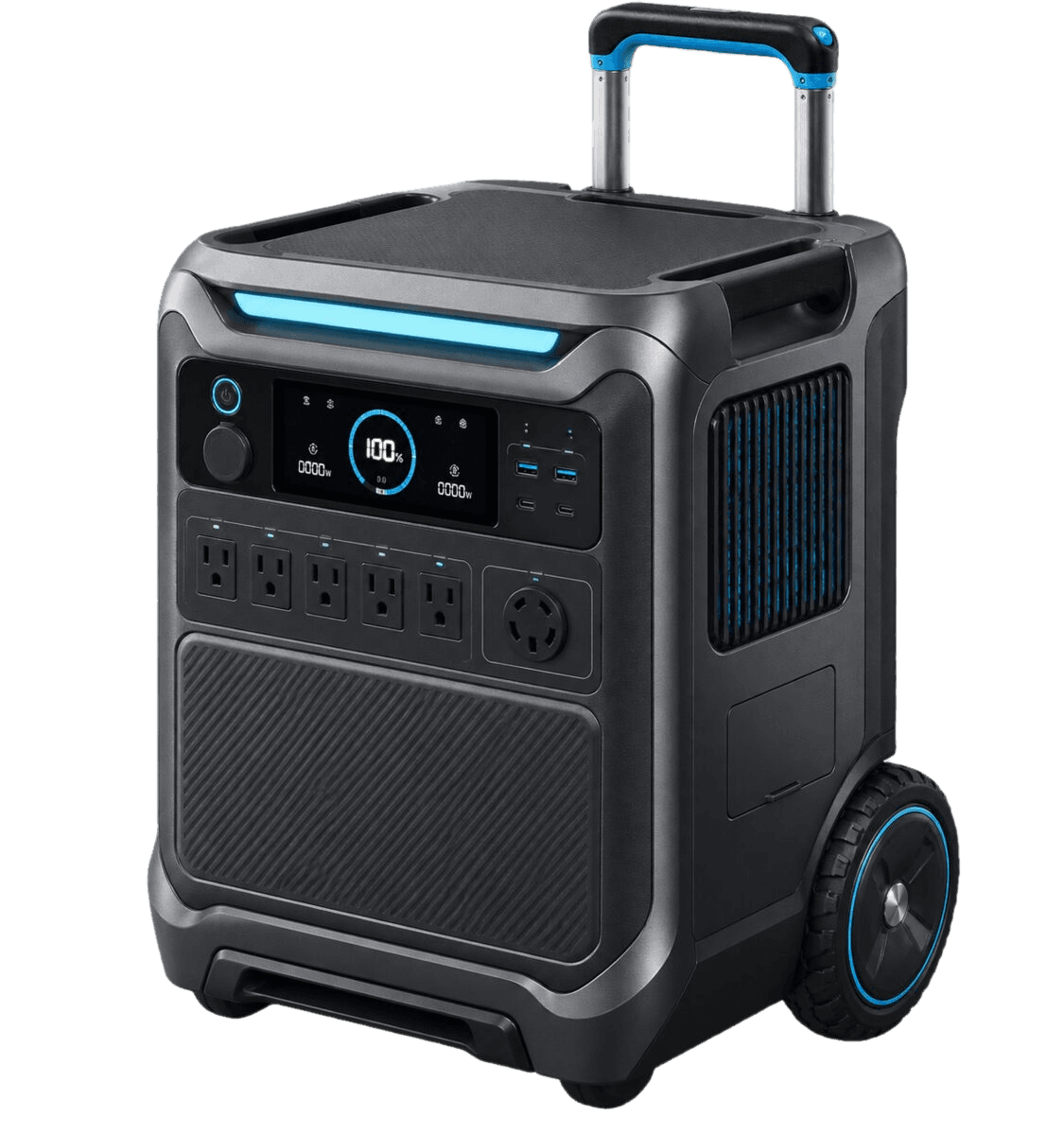
Illustrative image — not an exact product photograph.
- Capacity
- 3,072 Wh
- Output
- 3,600 W
- Weight
- 91.5 lb (41.5 kg)
Best for: whole-home-leaning backup, large appliances
Price, availability and current rating are shown on Amazon — PowerMatchLab does not display them because we have not independently verified them. As an Amazon Associate we may earn from qualifying purchases.
Related guides
FAQ
Does cold weather affect LiFePO4?
Charging LFP below freezing can damage the cells, so many stations block or limit charging in the cold. Discharging in the cold is less of a problem but capacity drops temporarily.
Is NMC better than LiFePO4 in cold temperatures?
NMC generally tolerates cold-weather charging a bit better than LFP, which is why some cold-climate-focused products still use it despite LFP's other advantages. Both lose some capacity in the cold either way — check the specific unit's published operating temperature range rather than assuming a chemistry-wide number applies exactly to it.
Is LiFePO4 worth paying more for?
If you plan to keep the unit for many years or cycle it often, the longer usable life generally justifies it. For occasional light use the difference matters less.
Sources
- Battery chemistry overviews from cell manufacturers and DOE energy storage resources
- Cycle-life figures as published by manufacturers in products.json
Last updated September 1, 2026. This guide is educational and general; it does not assert product-specific performance beyond what products.json verifies. As an Amazon Associate, PowerMatchLab earns from qualifying purchases made through the Amazon links on this page — see the disclosure.