EcoFlow DELTA 3 Max vs DELTA 3 Max Plus vs DELTA 3 Ultra Plus
All three are EcoFlow DELTA 3-series stations built on the same battery platform, which turns this into a within-family sizing decision rather than a brand comparison. This page is for shoppers who have already decided on the DELTA 3 line and want to know exactly what changes — and what doesn't — as you move up from Max to Max Plus to Ultra Plus.
These picks are focused on the U.S. market. Before buying, confirm plug type, voltage (120V), warranty terms, and regional availability on the Amazon listing.
Last checked September 12, 2026 — see each product’s Specifications tab for full provenance.
Quick summary
- EcoFlow DELTA 3 Ultra Plus leads on capacity (wh) (3,072 Wh vs 2,048 Wh, 2,048 Wh).
- EcoFlow DELTA 3 Ultra Plus leads on rated continuous output (3,600 W vs 2,400 W, 3,000 W).
- EcoFlow DELTA 3 Ultra Plus leads on surge / peak output (7,200 W vs 3,400 W, 3,800 W).
A use case below only names a model as ahead when at least two independent, comparable fields agree (or the use case is defined by a single field, like solar charging). A single distinguishing field in an otherwise-tied or unverified category is named specifically, not counted as winning that use case.
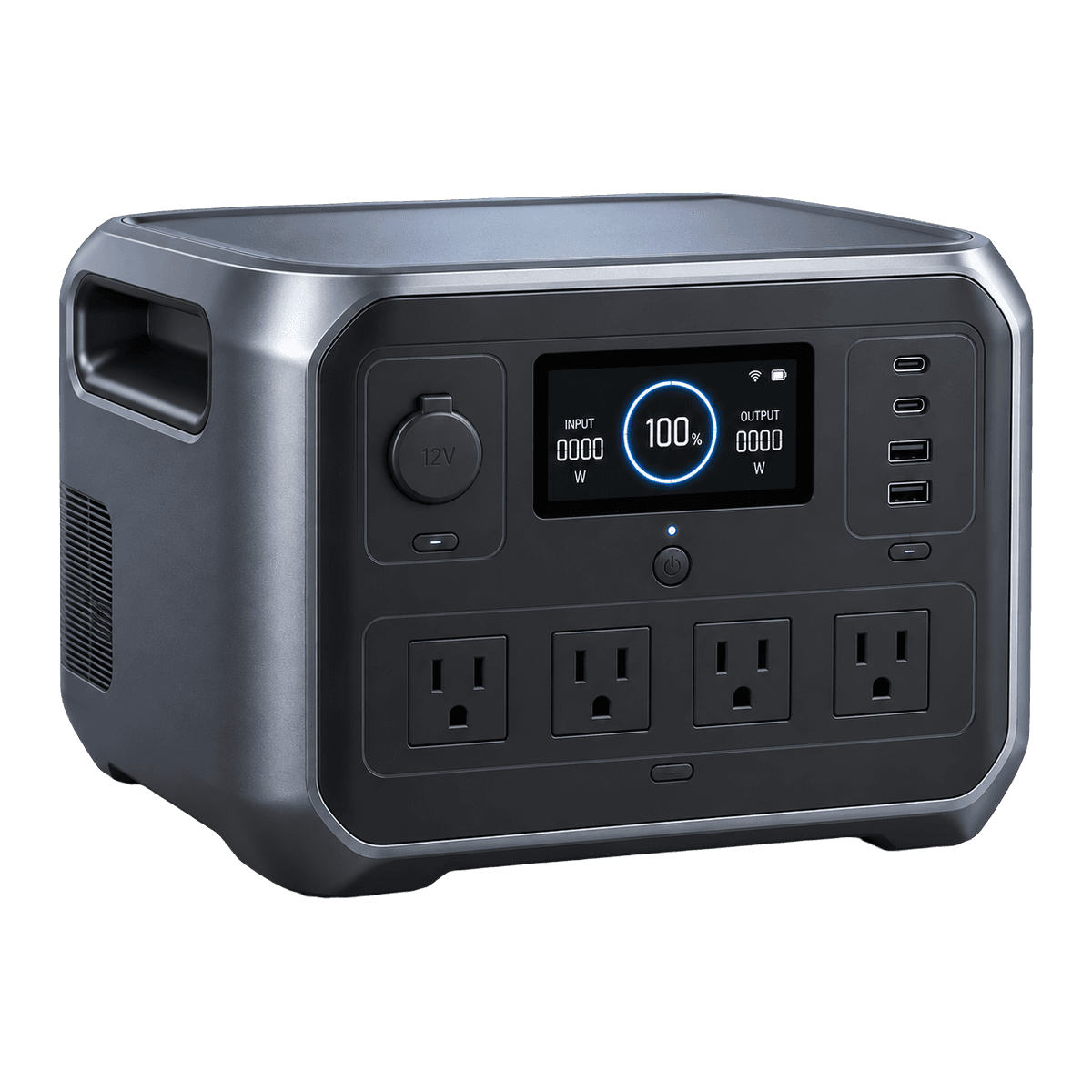
Independent editorial illustration — not an official product photo.
EcoFlow
DELTA 3 Max
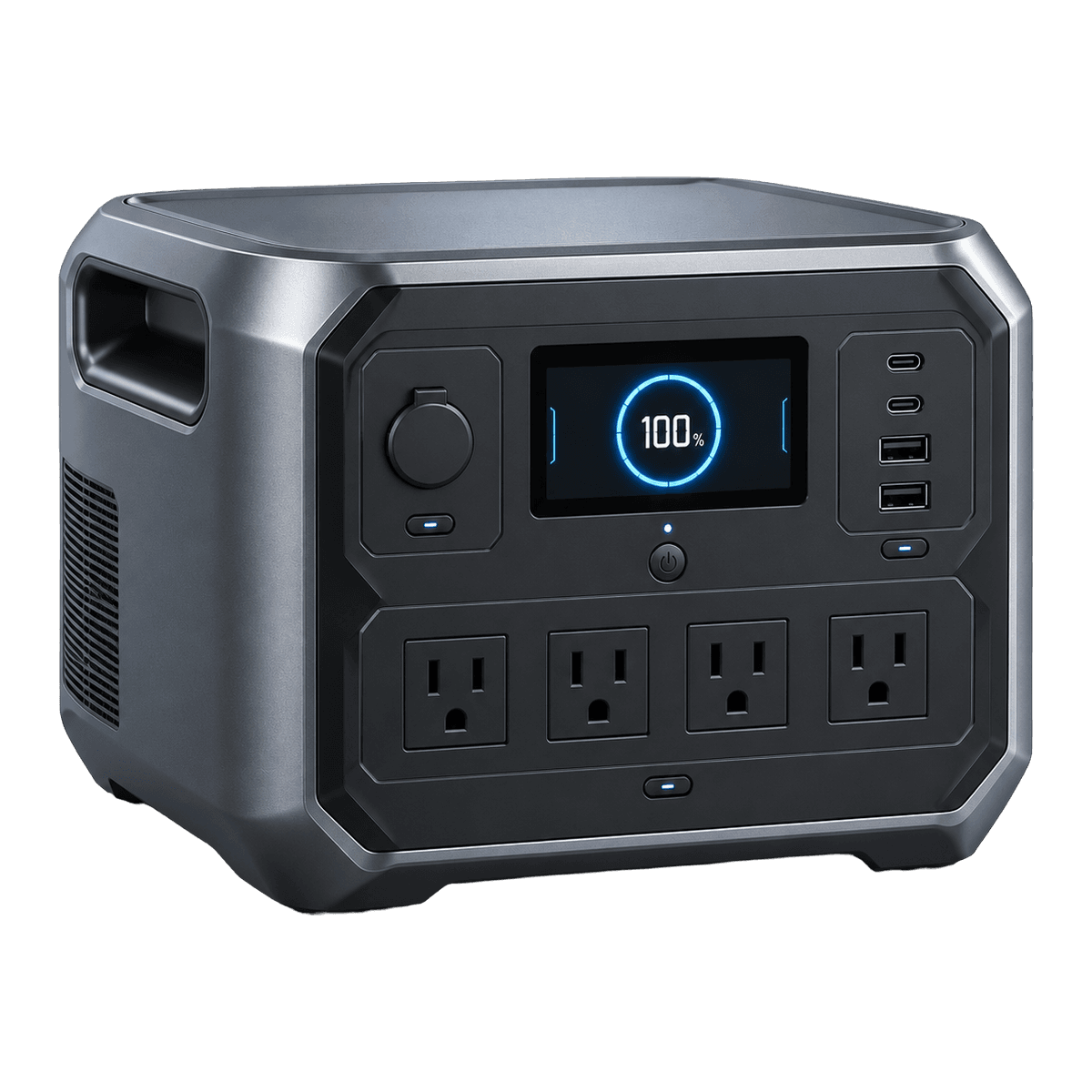
Independent editorial illustration — not an official product photo.
EcoFlow
DELTA 3 Max Plus
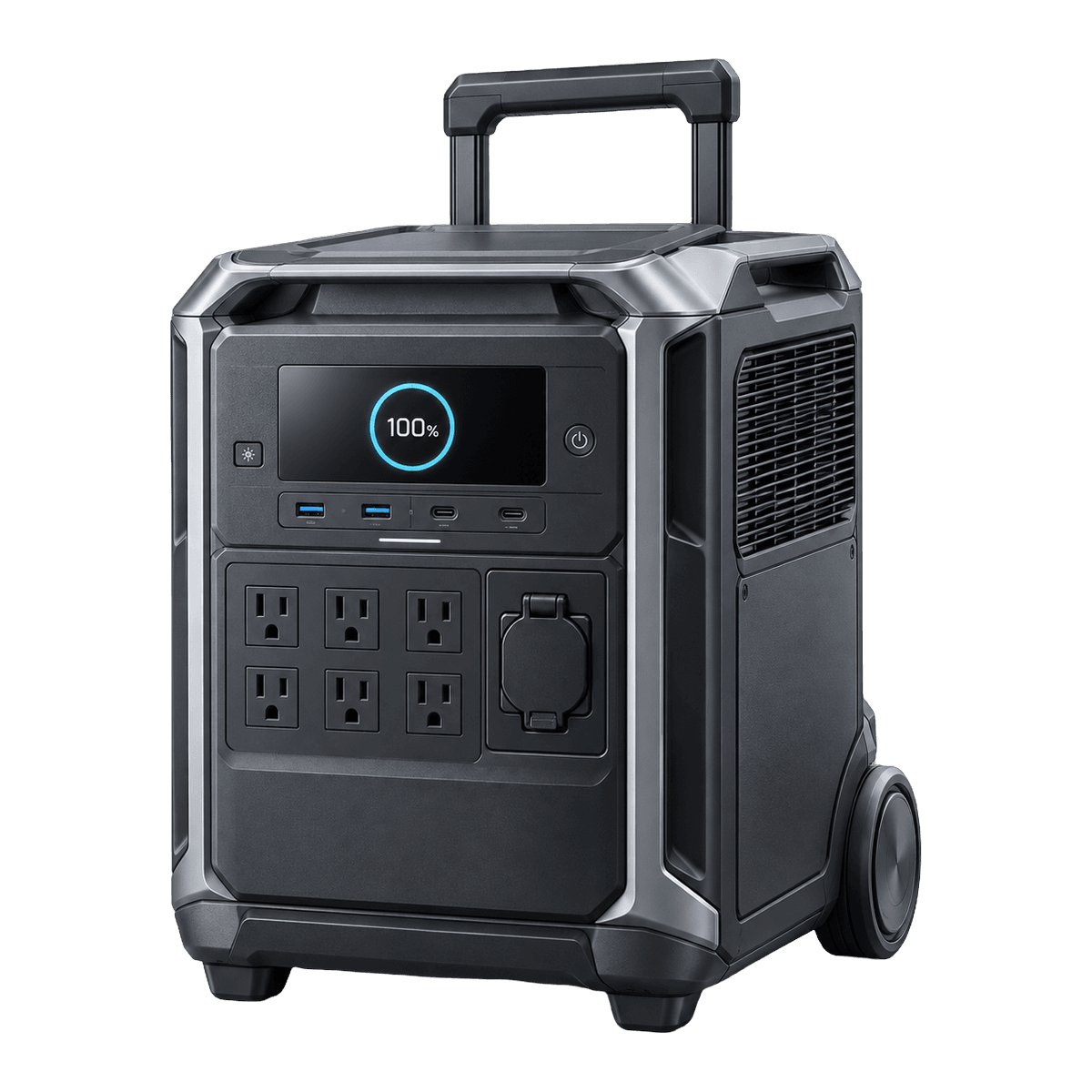
Independent editorial illustration — not an official product photo.
EcoFlow
DELTA 3 Ultra Plus
Spec comparison
Reused directly from the same catalog and winner-highlighting logic as the general Compare page. A blank or “Not verified” cell means the data isn’t on file — it is never treated as zero, and a difference is only highlighted when both values are actually known.
| Specification | EcoFlow DELTA 3 Max | EcoFlow DELTA 3 Max Plus | EcoFlow DELTA 3 Ultra Plus |
|---|---|---|---|
| Energy & output | |||
| Capacity (Wh) | 2,048 Wh | 2,048 Wh | 3,072 Wh |
| Rated continuous output | 2,400 W | 3,000 W | 3,600 W |
| Surge / peak output | 3,400 W | 3,800 W | 7,200 W |
| Max expanded capacity | Not verified | 10,000 Wh | 11,000 Wh |
| Portability | |||
| Weight | Not verified | Not verified | Not verified |
| Energy per kg (Wh/kg) | Not verified | Not verified | Not verified |
| Dimensions | Not verified | Not verified | Not verified |
| Idle consumption | Not verified | Not verified | Not verified |
| Charging | |||
| Solar input (max) | Not verified | 1,000 W | Not verified |
| AC charging (max) | Not verified | 1,800 W | Not verified |
| Charging time (stated) | 0-80% in about 1.13 hours | 0-80% in about 64 minutes via 1800W AC; up to 2600W via Smart Generator (0-80% in about 43 minutes); 0-80% in about 96 minutes via 1000W solar | 0-80% in about 89 minutes via wall or generator charging; 0-80% in about 48 minutes with solar + generator dual charging |
| Ports | |||
| AC outlets | Not verified | Not verified | Not verified |
| USB-C ports | Not verified | 3 ports | Not verified |
| USB-A ports | Not verified | Not verified | Not verified |
| RV TT-30 outlet | Not verified | Not verified | Not verified |
| Native 120/240V | Not verified | Not verified | Not verified |
| Backup | |||
| UPS switchover | 10 ms | 10 ms | 10 ms |
| Expandable | Not verified | Yes | Yes |
| Battery | |||
| Battery chemistry | LiFePO4 | LiFePO4 | LiFePO4 |
| Cycle life (stated) | Not verified | Not verified | Not verified |
| Warranty (stated) | 5 years (3-year standard + 2-year extended with EcoFlow App registration) | 5 years | 5 years |
| PowerMatch Score | |||
| Editorial score | Not published — insufficient verified data | 58/100 (Good) · 4/5 dimensions | 62/100 (Good) · 3/5 dimensions |
Scores are editorial calculations normalized against the whole PowerMatchLab catalog — not a lab test result. See the methodology.
Winner by use case
Each verdict below is derived only from the specific fields listed as criteria — never from overall impressions, and never from physical testing. A null field is neither a win nor a loss for either unit, and a category needs at least two independent fields to agree before it declares an overall winner (a category built around a single criterion, like solar charging, is the exception).
Refrigerator backup
EcoFlow DELTA 3 Ultra Plus edges ahead here.
Criteria: Capacity (Wh), Surge / peak output, Idle consumption, Solar input (max) (2 of 4 comparable).
RV / van life
EcoFlow DELTA 3 Ultra Plus edges ahead here.
Criteria: Rated continuous output, Surge / peak output, RV TT-30 outlet, Expandable (2 of 4 comparable).
Camping
No clear overall winner based on the data on file.
Criteria: Weight, Energy per kg (Wh/kg), Idle consumption, Solar input (max) (0 of 4 comparable).
Home outage essentials
EcoFlow DELTA 3 Ultra Plus edges ahead here.
Criteria: Capacity (Wh), Rated continuous output, Native 120/240V, UPS switchover, Expandable (3 of 5 comparable).
Solar charging
No clear overall winner based on the data on file.
Criteria: Solar input (max) (0 of 1 comparable).
Portability
No clear overall winner based on the data on file.
Criteria: Weight, Energy per kg (Wh/kg) (0 of 2 comparable).
Estimated autonomy
Calculated the same way as each product page’s runtime table: capacity_wh × 0.85 ÷ device_watts. These are planning estimates, not lab measurements or guarantees.
| Example load | EcoFlow DELTA 3 Max | EcoFlow DELTA 3 Max Plus | EcoFlow DELTA 3 Ultra Plus |
|---|---|---|---|
| Refrigerator (full size) (~150 W) | 11.6 h | 11.6 h | 17.4 h |
| CPAP machine (no humidifier) (~40 W) | 43.5 h | 43.5 h | 65.3 h |
| LED lights (a few rooms) (~40 W) | 43.5 h | 43.5 h | 65.3 h |
Why your real result may differ
These figures are planning estimates from the inputs and assumptions above — not a lab measurement. Your real result can vary with:
- Temperature — cold reduces usable battery capacity; heat can trigger throttling
- Battery age and condition — capacity fades gradually with cycles and time
- Inverter efficiency — some energy is always lost converting DC to AC
- Variable appliance draw — most appliances don't pull a constant wattage
- Startup/surge power — a motor's brief startup spike can exceed its running watts
- Appliance settings — e.g. humidifier, fan speed, or temperature setting
- Conversion losses beyond the modeled efficiency assumption
- Real solar conditions — actual panel output is usually well below its rated watts
- The safety reserve is a margin for error, not a guarantee
Pros & limitations
From each product’s existing catalog entry — no personal impressions, noise, build-quality or real-world behavior is added here.
EcoFlow DELTA 3 Max
Pros
- LiFePO4 battery with a high-precision DSP-controlled pure sine wave inverter
- 2400W continuous / 3400W X-Boost output
- Under 10ms UPS switchover
Limitations
- Weight, dimensions, solar input and AC charging wattage not independently verified for this specific base model
- Cycle-life figure not found on the official spec page consulted
EcoFlow DELTA 3 Max Plus
Pros
- LiFePO4 battery, expandable from 2kWh to 10kWh
- 3000W continuous / 3800W X-Boost output
- 10ms UPS switchover, about 25dB quiet operation
Limitations
- One official-domain result also referenced a 6000W surge figure alongside the 3800W X-Boost figure for this model — the two could not be reconciled from the sources checked, so surge_output_w here uses the X-Boost figure per this catalog's existing convention
- Weight, dimensions and cycle-life not independently verified
EcoFlow DELTA 3 Ultra Plus
Pros
- LiFePO4 battery, expandable from 3kWh to 11kWh
- 3600W continuous / 7200W surge output
- Manufacturer states extreme-temperature, humidity and salt-spray resistance
Limitations
- Weight, dimensions, cycle life and solar input wattage not independently verified
Conclusion
EcoFlow DELTA 3 Ultra Plus has the higher capacity (wh) and rated continuous output and surge / peak output on file.
Weight, Dimensions, Expandable are not verified for the EcoFlow DELTA 3 Max. Weight, Dimensions are not verified for the EcoFlow DELTA 3 Max Plus. Weight, Dimensions are not verified for the EcoFlow DELTA 3 Ultra Plus. With those gaps, there is no absolute winner between these units based on the data currently on file.
If refrigerator backup or rv / van life or home outage essentials matters most to you, the EcoFlow DELTA 3 Ultra Plus has the edge on file for refrigerator backup; the EcoFlow DELTA 3 Ultra Plus has the edge on file for rv / van life; the EcoFlow DELTA 3 Ultra Plus has the edge on file for home outage essentials. For the other use cases evaluated above, the data on file doesn’t support picking one unit over the other — check which specific criteria matter for your situation.
None of these units have been physically tested by PowerMatchLab. Before buying, enter your own devices in the Power Calculator — the numbers above use example loads, and your real appliances may draw differently.
EcoFlow DELTA 3 Max
Specs last checked September 12, 2026
Price, availability and current rating are shown on Amazon — PowerMatchLab does not display them because we have not independently verified them. As an Amazon Associate we may earn from qualifying purchases. Disclosure.
EcoFlow DELTA 3 Max Plus
Specs last checked September 12, 2026
Price, availability and current rating are shown on Amazon — PowerMatchLab does not display them because we have not independently verified them. As an Amazon Associate we may earn from qualifying purchases. Disclosure.
EcoFlow DELTA 3 Ultra Plus
Specs last checked September 12, 2026
Price, availability and current rating are shown on Amazon — PowerMatchLab does not display them because we have not independently verified them. As an Amazon Associate we may earn from qualifying purchases. Disclosure.